
Big Bone Lick State Historic Site
4.6(3.1K)google
4.2(56)yelp
HistoryFossilsEducational
Overview
Big Bone Lick State Park is located at Big Bone in Boone County, Kentucky. The name of the park comes from the Pleistocene megafauna fossils found there. Mammoths are believed to have been drawn to this location by a salt lick deposited around the sulfur springs.
Practical Info
Every day9:00 AM – 4:00 PM
Suggested Duration2.5-4 hours
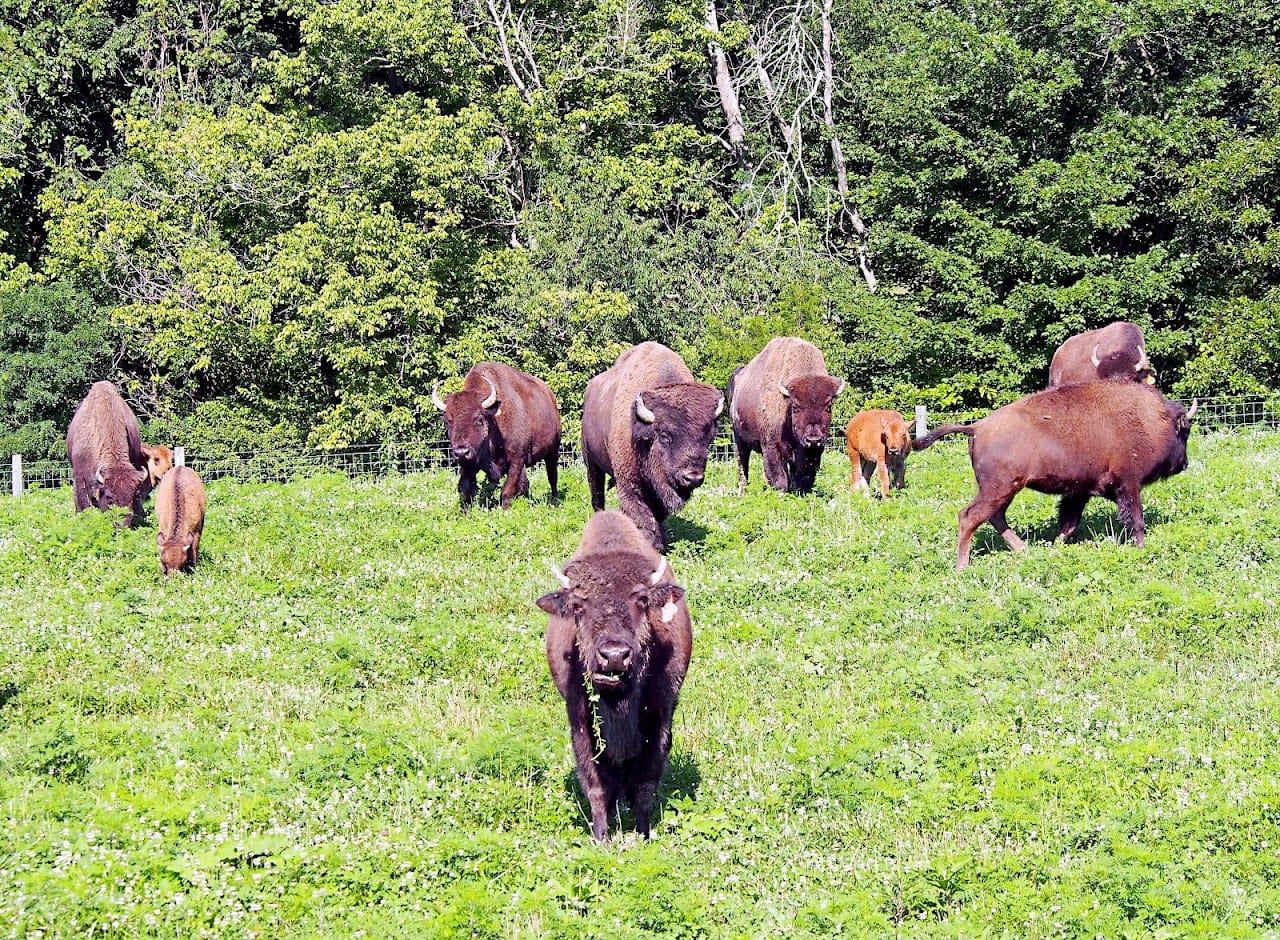
Best TimeLate spring for lush greenery or mid-October for striking changing leaves across the salt marshes. Earned by its moniker 'The Birthplace of American Vertebrate Paleontology' (where ice-age mastodon bones were excavated for Thomas Jefferson), walking the salt-lick trails between 9:00 AM and 11:30 AM is highly recommended; morning rays highlight their live, historic American bison herd flawlessly.
Getting ThereLocated at 3380 Beaver Rd, Union. Driven access is exceptionally fast and simple as it sits mere minutes off the Interstate 71/75 highway; cruise south from Cincinnati to Exit 175 for KY-338 West (Beaver Road), and travel west for 5 scenic miles straight into the park entrance gatehouse. The property features sprawling, complimentary paved trailhead lots.
Travel Tips
- The wild bison sanctuary trail sits in a complete cellular dead zone; obtain printed physical maps at the visitor center before setting out.
- The indoor fossil museum shifts to winter hours from mid-November to mid-March, opening only Thursday through Sunday, 10:00 to 15:00.
- Never step off the fenced Bison Trace trail or cross the salt lick barriers; the terrain is highly corrosive and bison are unstable.
Reviews
Positive
- Known as the 'Birthplace of American Vertebrate Paleontology,' the indoor museum's mammoth fossils and Ice Age history exhibits are deeply engaging.
- Being able to see a live herd of American bison grazing and roaming in the park preserve is a rare and exciting visual experience.
- The Salt Lick Trail perfectly recreates the historic scene where ancient megafauna came to lick salt, complete with a fun wooden suspension bridge.
- The entire historic site requires no general admission fee, is completely free to the public, offers ample parking, and provides amazing educational and leisure value.
Heads up
- Due to the preserved salt marshes, a faint sulfur (rotten egg) odor fills the air in summer, and mosquitoes and flies breed heavily.
- Since the bison preserve is massive, the herd often roams deep into the hills; unlucky visitors at the fence may only catch a faint, distant glimpse.
- The museum is quite small, with most exhibits reviewable within 20 minutes, and some interactive multimedia devices are dated or broken, needing updates.
- The park's hiking trails become extremely muddy and slippery after continuous rain, and some low-lying sections even flood, lacking properly paved gravel surfaces.