
Colorado Gators Reptile Park
4.7(2.8K)google
4.7(95)yelp
FamilyHands-OnQuirkyWildlife
Overview
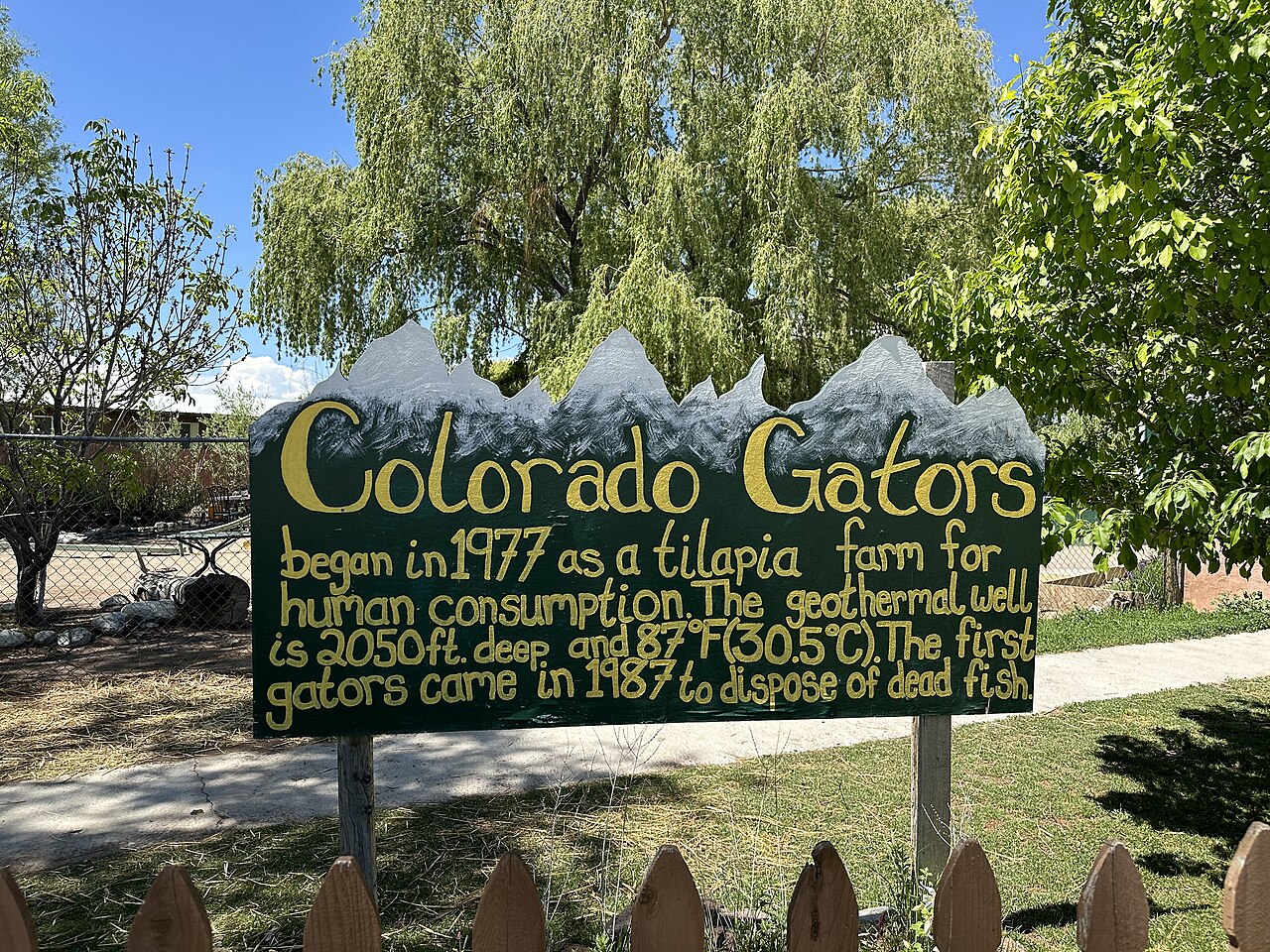
Colorado Gators Reptile Park was opened to the public in 1990, in Mosca, Colorado, United States. Located 17 miles (27 km) north of Alamosa, Colorado, it started as a tilapia farm in 1977, and now includes a bird sanctuary, reptile rescue, education, and display, and a biodome. A geothermal well on the property creates ponds and wetlands for the alligators, but also provides habitat and food for many water-birds and waterfowl.
Practical Info
Every day9:00 AM – 5:00 PM
Suggested Duration2-3 hours
Best TimeThe warm summer months from May to September are spectacular. Arriving between 9:30 AM and 12:00 PM is highly recommended; because the park utilizes natural geothermal artesian wells, hundreds of massive alligators bask in groups along the banks during the warm morning hours, and you can catch the thrilling feeding demonstrations.
Getting ThereDeep in the high-desert valley plain at 9162 Lane 6 N in Mosca. Driving is required; from central Alamosa, take state highway CO-17 N straight north for roughly 17 miles. Turn right east onto Lane 6 N at the giant alligator roadside sign and drive 0.5 miles down the gravel road to pull into the unpaved lot.
Travel Tips
- While geothermal wells maintain pool zones at 80°F, external high-desert valley winters are brutally freezing from November to March. Outdoor cold forces reptiles into state-mandated indoor biomes where near-100% humidity instantly fogs optical glass and camera lenses; pack microfiber cloths.
- The facility hosts specialized paid Gator Handling Classes involving high kinetic risks. All movements must match the trainer's live commands with zero deviation; never alter jaw-restraining straps or place fingers within strike perimeters of even juvenile specimens—the nearest trauma ER is 30 miles out.
- Under CPW biosecurity codes, patrons are strictly prohibited from sneaking outside poultry, raw meats, or frozen rodents into the sanctuary for unauthorized feeding. Violations register massive environmental health citations and trigger immediate legal eviction from the agricultural tract.
Reviews
Positive
- Seeing an alligator park powered by geothermal hot springs in a high-altitude inland valley is a fascinating contrast that truly lives up to the novelty.
- Visitors can see hundreds of huge gators, pay a few dollars to feed them, or even hold a small alligator, which is incredibly fun and hands-on.
- The park does a wonderful job rescuing abandoned exotic pets and reptiles. The staff's care for animals is evident, and safety barriers are solid.
- It retains the rustic, authentic charm of old-school road trips, completely free from aggressive commercial tourist traps, ideal for quirky eco-travelers.
Heads up
- Since it is essentially a rescue sanctuary and working farm, the greenhouses and ponds inevitably emit a pungent odor of dead fish and animal waste.
- The facilities are somewhat dated and rustic; public restrooms are basic outdoor setups, and sandy ground conditions make strollers or wheelchairs bumpy.
- The location is extremely remote in the San Luis Valley desert with no public transit. Driving is mandatory, making a dedicated trip costly.
- The gift shop and snack counters have very limited selections with high price tags, and specialty snacks like gator meat are quite overpriced.