

Death Valley National Park
Overview
A land of extreme contrasts, Death Valley National Park is the hottest, driest, and lowest national park in North America. Its surreal desert landscape features striking geological wonders, from the expansive salt flats of Badwater Basin to the multi-hued volcanic hills of Artist's Drive. Adventurous travelers can hike the undulating sand dunes of Mesquite Flat, look out over the vast expanse from Zabriskie Point, and experience the brilliant dark sky stargazing that reveals millions of stars in the deep desert night.
Practical Info
Travel Tips
- From May to October, valley floor temperatures frequently exceed 49°C (120°F); park rangers legally mandate terminating all low-elevation trail hiking after 10:00 AM due to lethal heatstroke risks. Keep a baseline of 2 gallons of emergency water per person per day.
- The 26-mile dirt route to The Racetrack is highly notorious for shredding standard street tires; rental FWD/AWD SUVs are structurally unsuitable. Traveling here strictly demands heavy-duty 4WD platforms outfitted with reinforced E-load All-Terrain tires and dual functional spares.
Photo Tips
Photo Rules
- Federal statutes strictly ban all recreational drones throughout Death Valley. Stepping off boardwalks onto fragile, non-compacted salt crusts at Badwater Basin is heavily fined, and foraging or removing any natural salt crystal formations triggers immediate federal prosecution.
Reviews
- The white salt flats of Badwater Basin and the colorful rocks of Artist's Palette showcase Earth's ultimate alien landscapes.
- Watching the sunrise or sunset at Zabriskie Point as golden light hits the wavy badlands is absolutely spectacular.
- Winter and early spring temperatures are very pleasant, perfect for driving through with expansive road-trip vistas.
- Immensely vast and empty, it lets you experience a true end-of-the-world solitude, and the starry night sky is breathtakingly pure.
- Summer temperatures often top 50°C, which is highly dangerous; regular cars can easily overheat when climbing constant slopes.
- Most park areas have absolutely no cell signal; if offline maps aren't downloaded before departing, getting lost is easy.
- Gas stations are scarce and fuel prices are shockingly high, nearly double the outside rate; you must fill up before entering.
- Restrooms and shaded rest areas are spaced far apart; without strict sun protection and ample water, your body will suffer.
Filming Locations
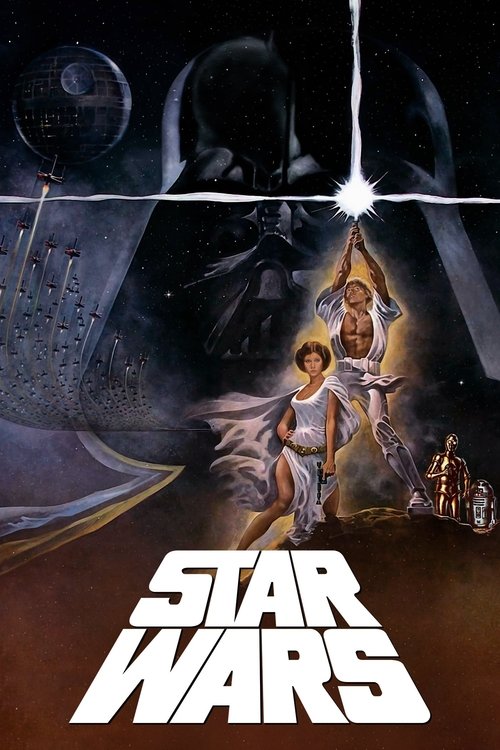
Death Valley stood in for the desert planet Tatooine. The Mesquite Flat Sand Dunes are where C-3PO and R2-D2 part ways after crash-landing, while Golden Canyon is where R2-D2 is ambushed and stunned by the Jawas.

The stark white salt flats of Badwater Basin stand in for the North African desert front of World War II, depicting troops advancing through brutal heat.
This product uses the TMDB API but is not endorsed or certified by TMDB.