
El Paso Holocaust Museum & Study Center
Overview
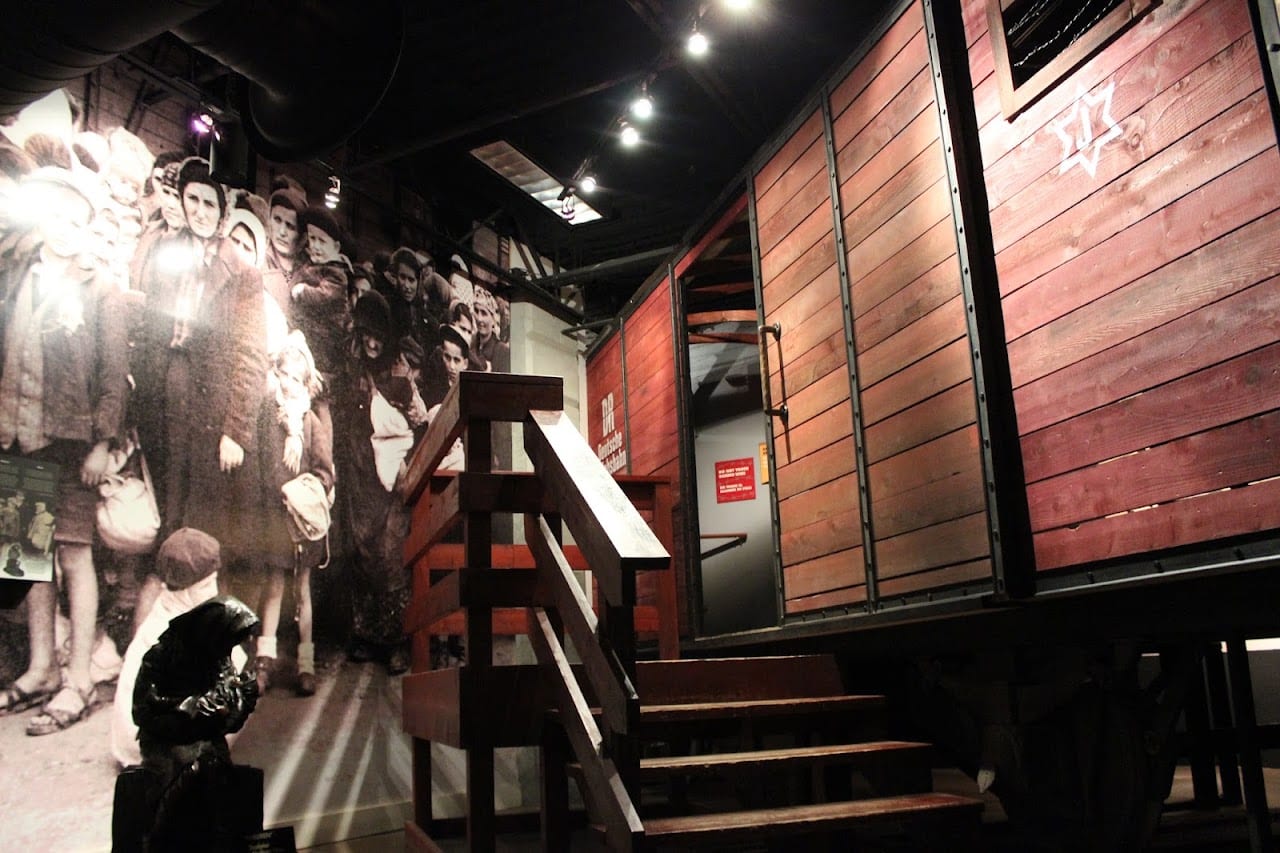
The El Paso Holocaust Museum & Study Center is a deeply solemn, emotionally moving cultural institution located in the downtown museum district, dedicated to honoring victims of the Nazi regime and promoting human rights education. Established by a Holocaust survivor, this state-of-the-art facility features powerfully designed galleries with multimedia presentations, authentic camp artifacts, historical photographs, and a chilling replica of a transport railcar. Visitors can take a reflective self-guided journey exploring the systemic rise of prejudice, the horrors of WWII concentration camps, and inspiring stories of individual resistance and survival. It acts as an intensely educational cultural sanctuary that challenges tourists to confront injustice and champion modern human tolerance.
Practical Info
Travel Tips
- Respect the strict 15:45 entry cut-off hour and standard Monday maintenance closures; silencing cell networks and observing deep quiet reverential codes across the memorial corridors is legally required.
- Steer personal vehicles directly to the adjacent PNS commercial public surface parking lots, as the museum's rear structural stalls are reserved for registered educational group buses.
Photo Tips
Photo Rules
- Refrain from introducing external light modifiers or camera tripod stands inside the deeply dimmed historic galleries, which are darkened to actively protect fragile concentration camp textile artifacts.
Reviews
- A sacred sanctuary dedicated to Holocaust memory with high educational value; its genuine historical relics and survivor letters deliver a profound emotional impact.
- The exhibit workflow is tightly organized, deploying high-tech multimedia to authentically trace history from Nazi rise to liberation; admission is 100% free.
- Superbly run with dignified order that strictly restrains loud noise, led by graceful and solemn staff who cultivate a perfect environment for deep contemplation.
- Set in the downtown cultural core with clear signage; the building is a world-class flat accessible structure packing braille plaques and cozy nursing lounges.
- Given the heavy, raw, and potentially disturbing nature of the concentration camp realities on display, the atmosphere is deeply heavy and poorly suited for young kids.
- As a non-profit operating on donations, the physical footprint is relatively compact with only one main floor, lacking expansive public research databases.
- Lacks a dedicated private lot; downtown street meters are highly contested on weekends, forcing drivers to circle surrounding blocks for commercial garages.
- The museum enforces a firm weekly closure on Mondays and federal holidays, closing early at 4 or 5 PM, limiting accessibility for long-distance road travelers.