
Fort Pulaski National Monument
4.8google
4.7(193)yelp
National MonumentHistoryMilitaryPhoto Spot
Overview
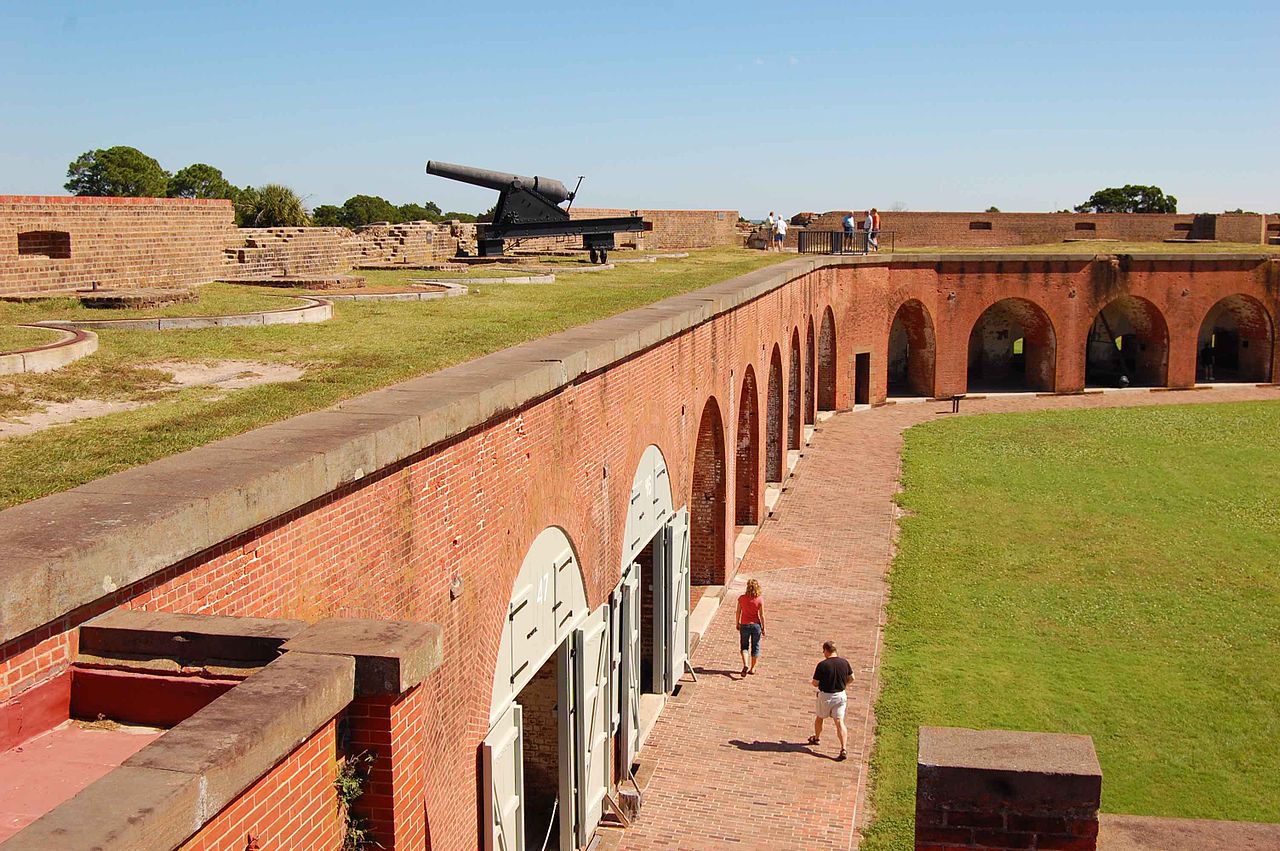
Fort Pulaski National Monument, located between Savannah and Tybee Island, preserves a monumental 19th-century coastal fortification that proved to be a major turning point in military engineering during the American Civil War. The massive brick fort features deep moats, historical drawbridges, and outer earthworks that were famously breached by Union rifled cannon fire in 1862. Visitors can explore dark underground tunnels, view live historic cannon firings, and hike along scenic coastal marsh trails.
Practical Info
Mon9:00 AM – 4:30 PM
Tue9:00 AM – 4:30 PM
Wed9:00 AM – 4:30 PM
Thu9:00 AM – 4:30 PM
Fri9:00 AM – 4:30 PM
Sat9:00 AM – 4:30 PM
Sun9:00 AM – 4:30 PM
Suggested Duration2-3 hours
Best TimeThe dry, temperate autumn months of October and November are unparalleled for comfortable open-air exploration under crisp Atlantic sea breezes. Dedicate your afternoon from 2:30 PM through sunset for the best experience; low-slung evening sunbeams strike the monumental 19th-century masonry fort face front-on. This dramatically highlights the historic, gaping structural breaches blasted into the 25-million-brick walls by Union rifled cannons during the legendary Civil War siege.
Getting TherePerfectly situated on Cockspur Island along the coastal channel at U.S. Highway 80 East, nested between Savannah and Tybee Island. No transit networks route directly into this marine outpost; driving is required. From Savannah, cruise straight east along the US-80 East causeway toward Tybee Island for roughly 12 miles; look for the massive official National Park Service entry monument on your left and turn onto the bridge straight into a vast, free surface lot.
Travel Tips
- The historic wet ditch and salt marshes surrounding the fort contain active populations of mature American alligators and venomous cottonmouth snakes; park rules mandate maintaining a 15-foot buffer from all water lines.
- As a federal NPS unit, the entire airspace is an absolute No-Fly Zone for recreational drones; entry gates require scanning your Interagency Pass or executing digital cashless card payments as physical cash is fully rejected.
- • 【Time Windows & Structural Footwear Gear】The masonry casemates capture dynamic light beams through heavy brick gunports strictly between 09:30 and 11:00 on clear mornings; interior corridors are uneven and hold slippery standing water, requiring rubber trail runners.
Reviews
Positive
- Witnessing the historic milestone of rifled cannon warfare, the massive 19th-century red-brick fort and moat deliver grand visual impact, living up to fame.
- Managed by the National Park Service, admission is highly親民 and affordable, yielding top value; the coastal salt marsh trails offer tranquil native serenity.
- Interior restoration work is top-tier; accessible wooden ramps are well-engineered, the main pavilion houses clean restrooms, and multilingual booklets are logical.
- The historical period-costumed staff and rangers are highly professional and warm; the antique cannon firing simulation offers great entertainment with tight safety.
Heads up
- To protect historic integrity, the old stone stairs to the second-level ramparts are narrow and slick, lacking accessible lifts and restricting wheelchairs.
- Located on an isolated coastal island en route to Tybee Island, lacking public transit; driving is mandatory, and heavy seasonal storms cause minor road flooding.
- The massive masonry interiors feel like a sauna during hot summers, completely lacking AC cooling systems; the stuffy air tests senior physical stamina heavily.
- The park houses only a tiny gift shop selling water and books, completely lacking secondary dining outlets; travelers must pack bug spray and snacks.