
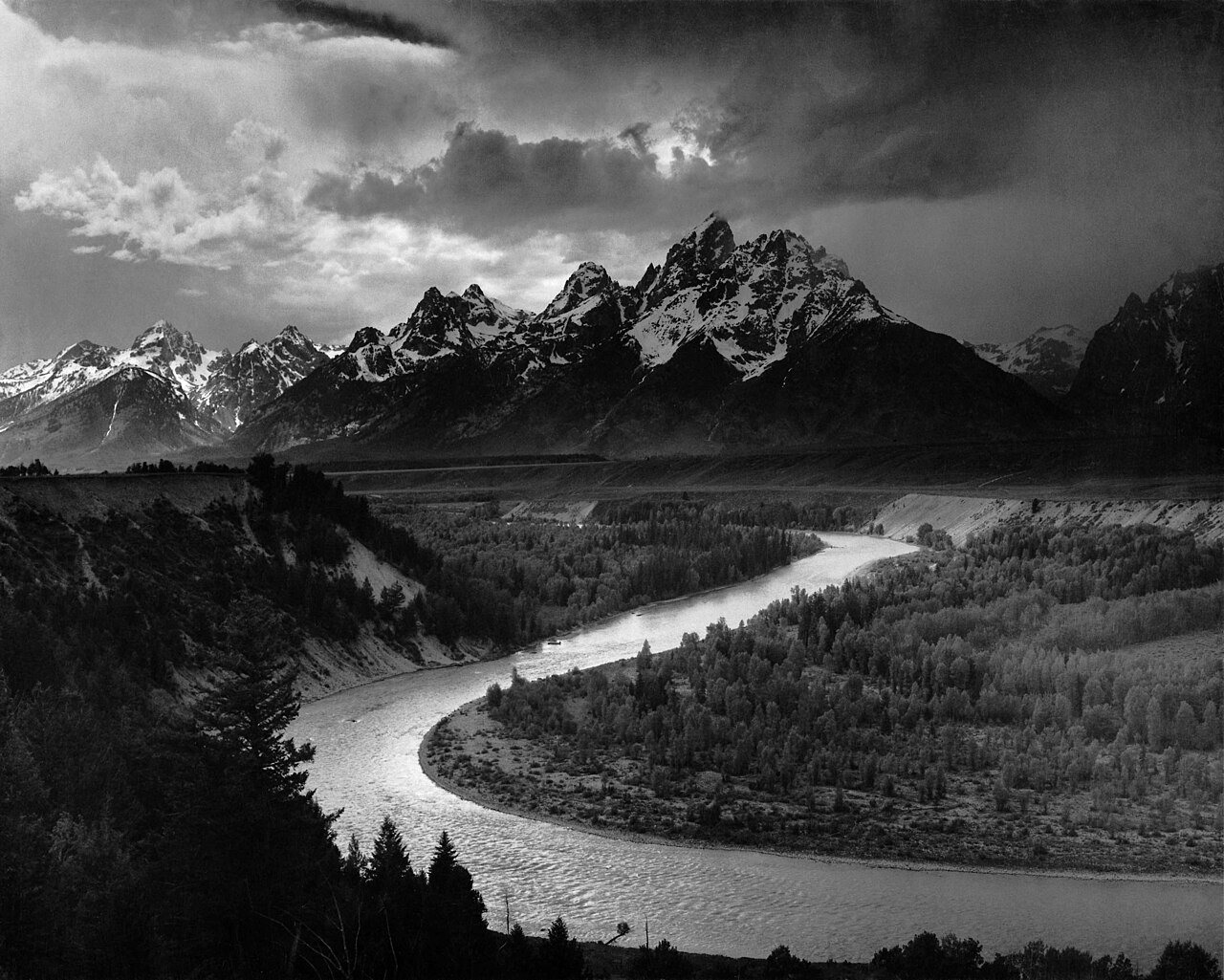
Grand Teton
4.8(647)google
4.9(241)yelp
ClimbingMountainPhotography SpotScenic Lookout
Overview
Grand Teton is the highest peak in the Teton Range, soaring to an elevation of 13,775 feet above sea level. This iconic mountain serves as a legendary challenge for mountaineers worldwide due to its steep granite faces and technical climbing routes. For non-climbers, its sharp, majestic silhouette forms the unforgettable backdrop seen from viewpoints throughout the valley, embodying the raw wilderness of Wyoming.
Practical Info
Suggested Duration1-2 days
Best TimeFor mountaineers, July and August provide optimal snow-free conditions for climbing. For photographers, September offers stunning autumn colors. Sunrise is the prime time to capture the iconic peak as the first light stains the summit golden.
Getting ThereFor scenic viewing, drive along the eastern highway (US-191). For climbing or backcountry hiking, navigate to the Lupine Meadows Trailhead, situated a 10-minute drive north of Moose Junction off Teton Park Road.
Travel Tips
- Climbing the Grand Teton summit (13,775 ft) is highly technical. The classic Owen-Spaulding route involves Class IV rock climbing and extreme exposure; amateur hikers without professional guides and ropes must not attempt to summit.
- Afternoon lightning storms are frequent and lethal at high altitudes. Being exposed on unsheltered ridges past 2:00 PM carries extreme lightning risk; climbers must strictly adhere to an early morning turnaround schedule.
- Any overnight backcountry stays (e.g., Garnet Canyon) strictly require an advanced Backcountry Camping Permit issued via Recreation.gov. Ranger stations retain negligible day-of walk-in inventory during peak summer.
Reviews
Positive
- An unparalleled, iconic mountain; whether viewed from afar or looked up to from the base, its profile exudes pure power and beauty.
- For professional climbers, this is a must-do technical peak, offering a mind-blowing 360-degree panoramic view upon summiting.
- The photography spots at the base are perfectly angled; the morning golden sunrise on the peak is a dream capture for photographers.
- The ecological preservation around the mountain is perfect, keeping glacial valleys and alpine wilderness in pristine condition.
Heads up
- The weather is highly unpredictable, with violent afternoon thunderstorms and high winds frequently creating fatal dangers for high climbers.
- For average tourists, because there is no summit tram, you can only view it from distant overlooks and cannot truly 'enter' the high peaks.
- The core climbing permit quotas are extremely scarce, requiring a tedious advance application and an in-person interview process.
- The risk of rockfalls is extremely high, especially during summer snowmelt, with rockfall incidents frequently reported on classic climbing routes.