
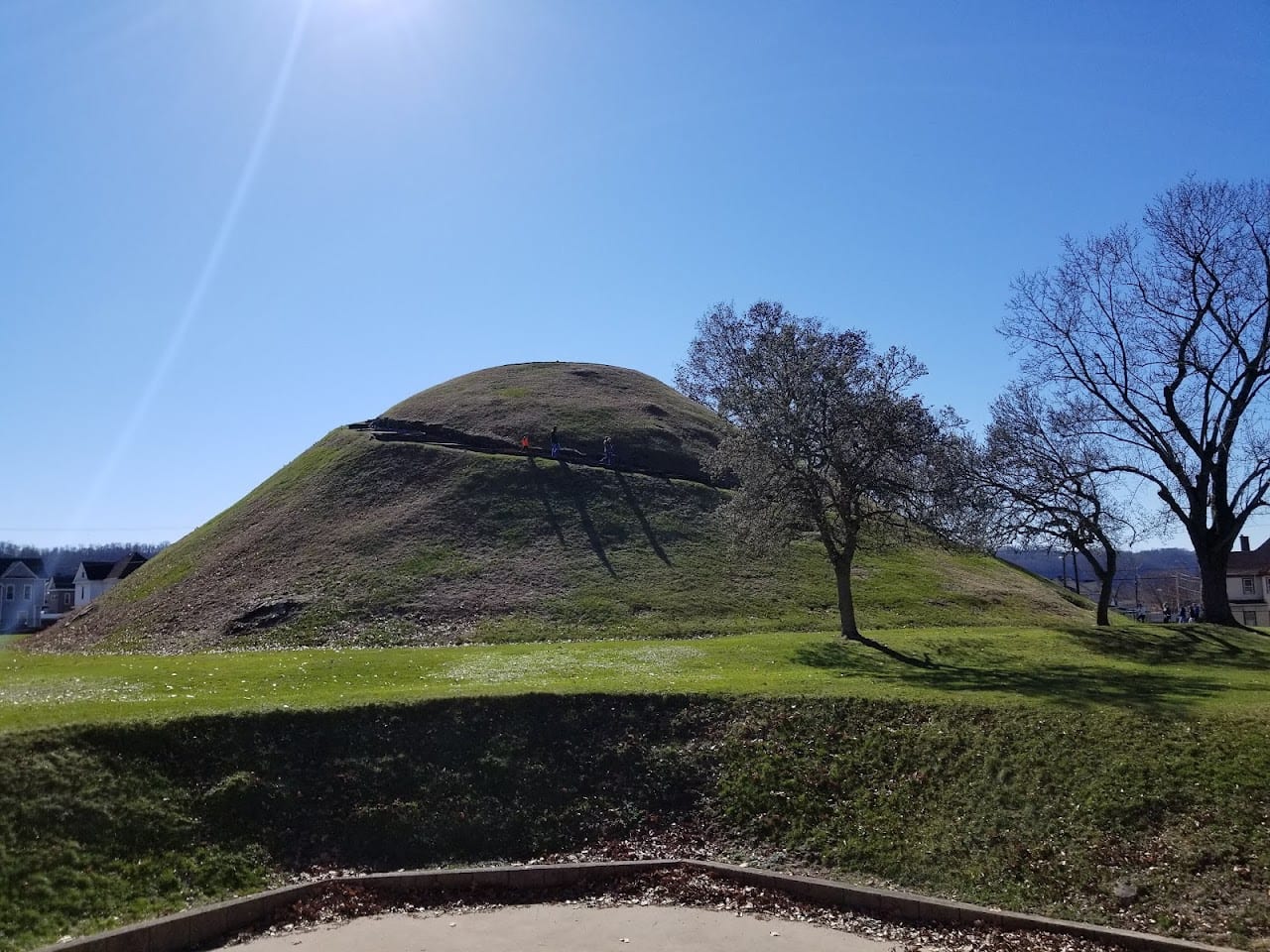
Grave Creek Mound Historical Site
4.8(574)google
4.7(22)yelp
ArchaeologyPrehistoricHistoryEducational
Overview
The Grave Creek Mound in the Ohio River Valley in West Virginia is one of the largest conical-type burial mounds in the United States, now standing 62 feet (19 m) high and 240 feet (73 m) in diameter. The builders of the site, members of the Adena culture, moved more than 60,000 tons of dirt to create it about 250–150 BC. Present-day Moundsville has developed around it near the banks of the Ohio River. The first recorded excavation of the mound took place in 1838, and was conducted by local amateurs Abelard Tomlinson and Thomas Biggs.
Practical Info
MonClosed
Tue9:00 AM – 4:30 PM
Wed9:00 AM – 4:30 PM
Thu9:00 AM – 4:30 PM
Fri9:00 AM – 4:30 PM
Sat9:00 AM – 4:30 PM
SunClosed
Suggested Duration1-2 hours
Best TimePerfect in spring or autumn on a clear morning between 10:00 AM and 12:00 PM. High morning angles crisply define the geometry of this 69-foot-tall ancient Adena burial mound—the largest conical earthwork in North America—before you step inside the air-conditioned Delf Norona Museum to view excavated artifacts.
Getting TherePerfectly situated directly across the street from the West Virginia Penitentiary at 801 Jefferson Ave. Driving from Wheeling involves taking Route 2 South for 12 miles straight into Moundsville. The state historical site provides a designated, entirely free paved customer lot right in front of the museum lobby.
Travel Tips
- To respect and preserve this Native American burial site, running, skateboarding, or biking on the mound is strictly prohibited. Visitors must walk slowly up the designated stairway trail; pets are banned from the mound.
- The on-site Delf Norona Museum is closed on Sundays and Mondays and restricts large backpacks inside. If you want to experience both the museum exhibits and the mound, ensure you do not schedule your trip on these two days.
Photo Tips
Photo Spots
- The best front-lit angle for photographing the full mound panorama is from the museum side in the morning. Drone flight or landing directly on the historic mound's grass slopes is illegal without state permits.
Reviews
Positive
- This massive ancient burial mound built over a millennium ago by the Adena people stands as a grand, mysterious monument.
- The adjacent museum is completely free to enter, presenting excavated stone tools and pottery with exceptional archaeological value.
- The museum building is modern with full elevator accessibility, spotless restrooms, and great AC, ensuring high visitor comfort.
- Manicured green park space surrounds the mound, offering shaded benches ideal for historical reflection and quiet rest.
Heads up
- For preservation and structural safety, climbing up the earthen steps to the summit is banned, restricting visitors to base viewing.
- The site footprint is compact; a full thorough tour of the exhibits and exterior takes under an hour, making a long drive less ideal.
- The digital interactive screens frequently suffer technical glitches, and non-English readers lack adequate translated brochures.
- The gift store merchandise is generic, mostly stocking basic postcards and t-shirts rather than creative native artisan crafts.