
Horatio Colony House Museum
4.6(11)google
IndoorEducationalHistoric BuildingDecorative Art
Overview
Horatio Colony II (September 22, 1900 – April 28, 1977) was an American poet, novelist, playwright, and businessman from Keene, New Hampshire. He wrote a 1935 novel entitled Free Forester, as well as twelve volumes of poetry and two plays.
Practical Info
Suggested Duration1-2 hours
Best TimeBest visited Thursday through Saturday afternoons between 1:30 PM and 3:30 PM from May to October. This preserved historic federal-style home showcases the global travel collections of Horatio Colony; soft afternoon sun filters beautifully through the side glass, perfectly illuminating the rare Asian porcelain and Victorian parlors.
Getting ThereLocated in downtown Keene at 199 Main Street. Driving is effortless: from the NH-101 traffic circle in Keene, head north straight onto historic Main Street for two blocks. The brick mansion will be on your left, offering its own high-capacity, free paved asphalt guest parking lot situated right behind the rear courtyard garden.
Travel Tips
- The museum operates seasonally via docents; visitors must clear individual appointments via phone or email beforehand as walk-ins are rejected.
- Dense displays of fragile 19th-century glass, porcelain, and taxidermy lack modern ADA retrofits; bags exceeding 18 inches are barred from galleries.
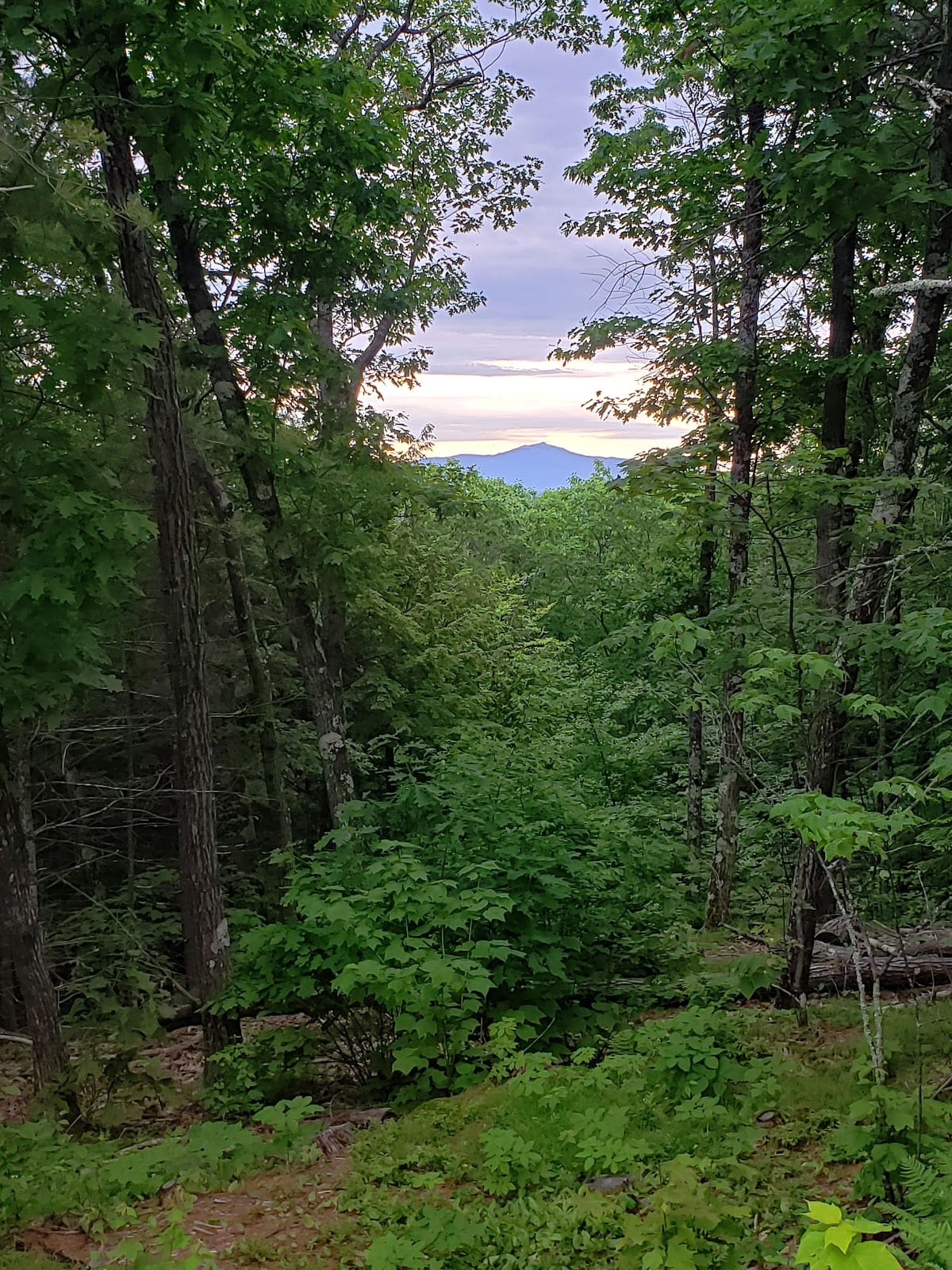
- The adjacent nature preserve paths present muddy traps and briars; long trousers and heavy tick-repellent application are required to prevent Lyme risk.
Reviews
Positive
- A living historic treasure chest! It authentically retains a wealthy family's century-spanning household decor, like a living social scroll.
- Completely free to enter! Friendly volunteer docents guide you through rooms like old friends, detailing global curio collections.
- Collections are eclectic, ranging from fine Asian porcelain to vintage manuscripts and taxidermy, offering fun for all ages.
- Free from big tourist hype or commercial traps; visitor density is low, allowing a slow taste of classic New England town lore.
Heads up
- The dedicated visitor parking is tiny, fitting only a handful of cars; parking gets tricky if there's an active workshop event.
- Relying purely on volunteer runners, operating hours are highly limited and random; calling ahead to confirm opening is vital.
- Artifacts are stored in vintage cabinets without digital interactive screens or translated audio files, tougher for non-English speakers.
- The footprint is compact; a self-guided walk takes roughly 30 minutes, meaning it cannot serve as a standalone day-trip anchor.