Indiana Dunes National Park
4.6(13K)google
4.2(58)yelp
DesertLake
Overview
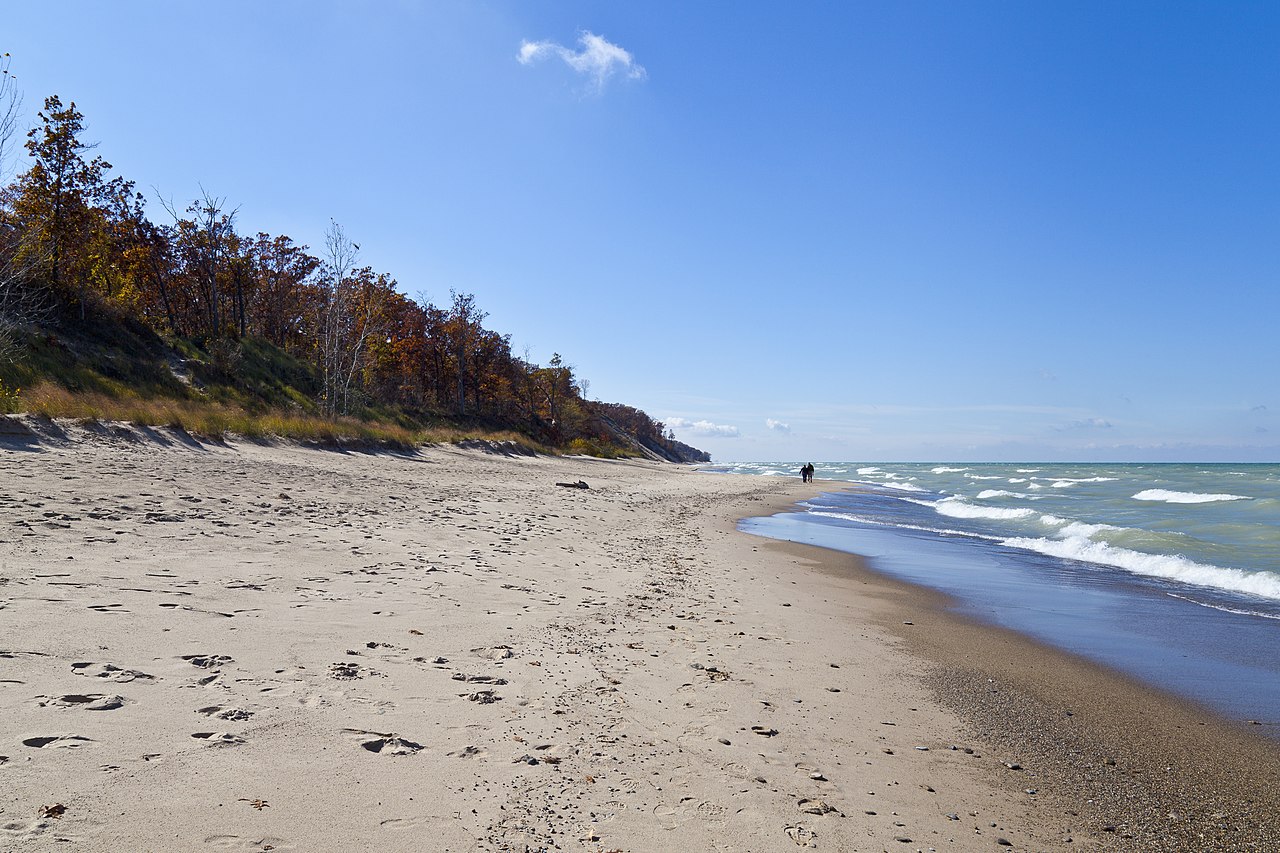
Indiana Dunes National Park is a national park of the United States located in northwestern Indiana managed by the National Park Service. It was authorized by Congress in 1966 as the Indiana Dunes National Lakeshore and was redesignated as the nation's 61st national park on February 15, 2019. The park runs for about 15 miles (24 km) along the southern shore of Lake Michigan and covers 15,349 acres (6,212 ha).
Practical Info
Every day6:00 AM – 11:00 PM
Suggested Duration0.5-1 day
Best TimeLate spring through summer (May to September) is perfect for swimming and beach recreation, while early October brings vibrant autumn hues to the hiking trails. For photography, aim for 5:00 PM onwards at West Beach to witness a magnificent sunset casting silhouettes over Lake Michigan, with the Chicago skyline often visible on clear days.
Getting ThereStretching along the lakefront. Driving is highly recommended via US-12 or US-20, which connect to primary park locations like West Beach (massive paid parking lots, covered by National Park passes). Alternatively, take the South Shore Line commuter rail from Chicago directly to the Dune Park Station, placing you right within the park boundaries.
Travel Tips
- The National Park and adjacent State Park operate under separate jurisdictions; the federal Interagency Annual Pass is rejected at the State Park gate.
- Climbing Mount Baldy is restricted to marked boardwalks; straying into restoration zones creates dangerous sinkhole cave-ins and draws federal citations.
- Lake Michigan produces fatal rip currents; never swim when red flags fly or without lifeguards, and always swim parallel to the shore if caught in a current.
- West Beach requires a federal recreation fee via Recreation.gov from Memorial Day to Labor Day; display your America the Beautiful pass clearly on the dash.
- Climbing off-trail on restricted dunes like Mount Baldy is heavily fined due to hazardous, invisible decomposing tree decomposition holes that cause fatal cave-ins.
Reviews
Positive
- Massive sand dunes right next to Lake Michigan—it looks as vast as an ocean! Standing on the dune tops, the distant Chicago skyline peeks through, creating a stunning view.
- As a national park, management is highly professional, with multilingual signs, modern accessible boardwalks, and full restrooms and foot-washing stations by main beaches.
- Transportation is convenient; besides multiple large lots for driving, you can even take the South Shore Line train directly here, which is rare for American parks.
- It features not just dunes but also protected raw wetlands and forests with incredible biodiversity; the ticket value is superb for such a high-tier park.
- Massive white sand dunes contrast beautifully with the deep blue waters of Lake Michigan, with the Chicago skyline visible in the distance, offering top outdoor scenery.
- The National Park visitor center has comprehensive facilities, clean restrooms, trail signs showing difficulty and plant science, and accessible boardwalks to the lake.
- Park rangers are highly professional and eager, and strict capacity caps and do-not-tread signs protect fragile ecological zones with great environmental order.
- The per-vehicle entrance fee is very low and accepts annual passes, granting access to beaches, forests, and wetlands all at once for premier value.
Heads up
- Summer weekends are packed with wall-to-wall crowds! Popular lots like West Beach fill completely before 10 AM, forcing late arrivals into long queues outside.
- Industrial landscapes are right next door; being adjacent to steel mills and power plants means smoke stacks are visible from certain dunes, marring the raw nature vibe.
- On the challenging '3 Dune Challenge' trail, the loose sand makes you slip back half a step with every step, and a lack of shaded rests poses a heat stroke risk.
- Beach food options nearby and inside are limited and carry obvious 'tourist trap' premium prices; a regular bottle of water or ice cream costs an absolute fortune.
- Public shade structures and rain shelters inside the park are rare, and summer/fall brings heavy mosquitoes and ticks, punishing those without bug spray.