
Japanese Garden of Peace
Overview
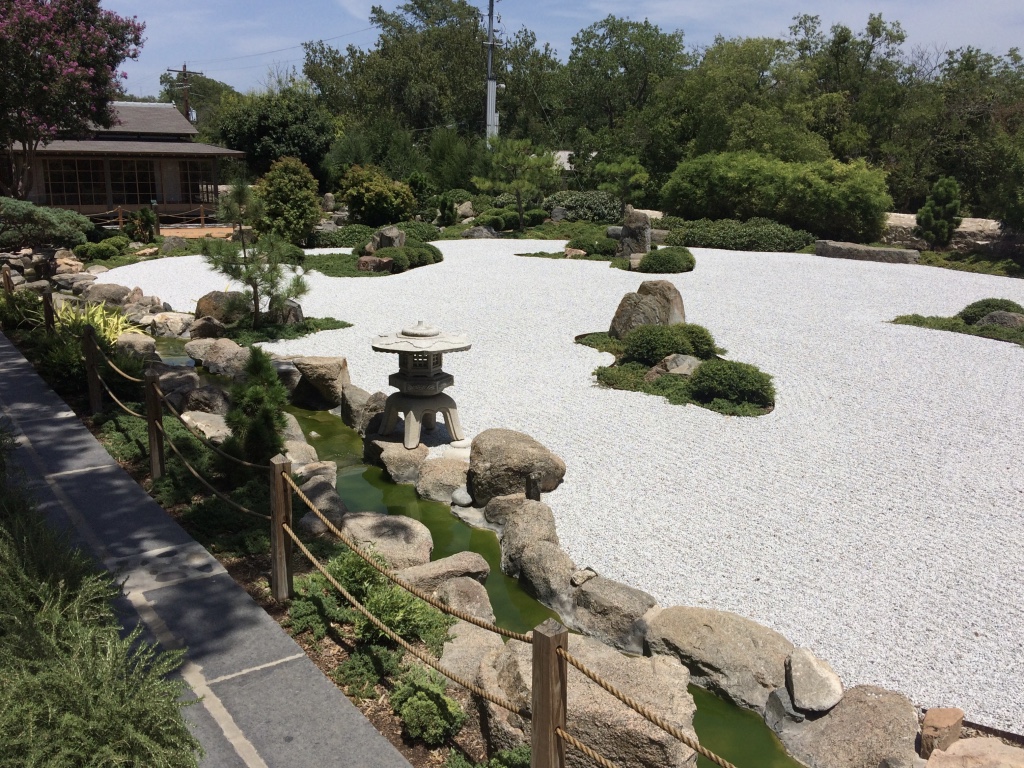
The Japanese Garden of Peace is an elegant, breathtaking botanical oasis nestled within the expansive historic grounds of the National Museum of the Pacific War in Fredericksburg. Gifted to the citizens of the United States by the people of Japan in 1976 to symbolize continuous post-war reconciliation and eternal diplomatic friendship, this beautifully landscaped tactical gem was expertly constructed by master artisans from Tokyo. Visitors can stroll along winding gravel paved pathways, rest next to beautiful concrete cooling stream cascades filled with pristine koi ponds, and admire the elegant raked-sand zen gardens and a traditional rustic teahouse. It serves as a profoundly peaceful, quiet urban sanctuary where spiritual travelers can reflect amidst timeless oriental artistic elegance.
Practical Info
Travel Tips
- The memorial sanctuary is nestled within the museum complex and free to access; however, automated perimeter security gates lock promptly at 5 PM daily.
- Optimal sun alignment for capturing raked sand gravel photography falls strictly between 9 AM and 11 AM; late afternoons trigger severe shadows from the main hangar.
Photo Tips
Photo Rules
- Tranquil zoning rules prohibit smoking, pets, and loud speakers; deploying commercial bounce cards or media tripods over the raked white gravel is illegal.
Reviews
- A stunning authentic Japanese rock garden oasis hidden inside the museum campus; gifted by Japan to honor Admiral Nimitz, offering gorgeous visual art beauty.
- Excellently landscaped with a traditional teahouse, manicured raked stone gravel, and koi ponds that cultivate a profound, meditative zen serenity and peace.
- Meticulously maintained by property crews; it is spotlessly clean and free of litter, providing a pressure-free, deeply relaxing sensory sanctuary to escape the rush.
- Superbly hidden away from Main Street gridlocks, fully equipped with flat concrete accessible pathways and zero steps, accommodating wheelchairs easily.
- As an intimate pocket rock garden, its physical footprint is tiny; strict property protocols enforce absolute silence and forbid children from running or shouting.
- To safeguard fragile artifacts, the teahouse sanctuary is permanently locked behind decorative screens, restricting travelers to peering through windows.
- The raked white gravel sand reflects intense blinding glare under the hot desert summer sun, making the lack of canvas shade canopies uncomfortable at midday.
- The entryway is nested at the tail end of the main military museum galleries; you cannot purchase a standalone garden pass without buying the expensive museum ticket.