
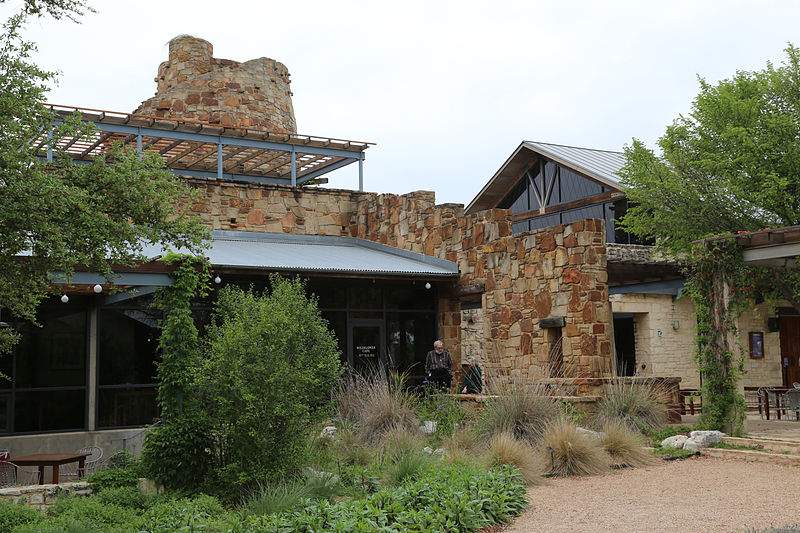
Lady Bird Johnson Wildflower Center
4.7(2.8K)google
4.3(289)yelp
NatureOutdoor
Overview
The University of Texas at Austin Lady Bird Johnson Wildflower Center serves as Texas's official state botanic garden and arboretum. Originally founded in 1982 as the National Wildflower Research Center, it was later renamed to honor Lady Bird Johnson's conservation legacy. The 284-acre Center displays over 800 species of native Texas plants representing the state's major ecoregions, and includes gardens, natural areas, an arboretum, a Butterfly Garden with a puddling place, and a Seasonal Interest garden.
Practical Info
Suggested Duration2-3 hours
Best TimeMid-March to early May is unparalleled for the stunning Texas Bluebonnet peak bloom, transforming the hundred-acre landscape into a sea of vibrant sapphire and native wildflowers. Entering the turnstiles precisely at 9:00 AM opening time on a clear morning ensures quiet, dew-kissed plant viewing under optimal soft daylight striking the historic limestone towers.
Getting ThereSituated in southwest Austin at 4801 La Crosse Ave. Driven transit is exceptionally smooth and fast via taking the MoPac Expressway (Loop 1 South) straight to its southern terminal, exiting onto La Crosse Ave East. The botanical center operates its own massive, free private paved parking lot directly adjacent to the welcome lobby.
Travel Tips
- During the peak spring bluebonnet bloom, weekend admission strictly requires pre-purchased, timed-entry electronic tickets online; walk-ups face extreme wait times or total denial due to capacity caps. University of Texas (UT) faculty, staff, and students enjoy free admission with a valid ID.
- Certain primitive nature trails traverse unmanaged brush that serves as active rattlesnake habitat. Visitors must remain strictly in the center of designated paved or gravel pathways; walking into deep grassy clusters for photography is forbidden to prevent both native flora trampling and dangerous wildlife encounters.
Photo Tips
Best LightTo capture optimal photographic lighting and escape crowds, book the earliest weekday morning slot right at 9:00 AM opening. Midday offers zero canopy shade, resulting in harsh, direct overhead sun that causes severe overexposure in floral photography and substantial heat strain.
Reviews
Positive
- This beautiful botanical garden preserves native Texas flora; in spring, the blooming Texas bluebonnets and wildflowers offer a highly therapeutic visual display.
- The stone observation tower, eco-buildings, and forest paths blend flawlessly; the plant ID plaques and low-level kids' exploration decks are thoughtfully designed.
- The complex is spotlessly clean with moderate crowd density, away from downtown noise, offering abundant shaded seating and a pure, serene wilderness ambiance.
- Admission fees are very reasonable and budget-friendly; the gift shop sells unique native seeds and eco-friendly souvenirs without any tourist-trap pricing.
Heads up
- The scenery is highly seasonal; if visiting in late summer, autumn, or dry periods, the wildflowers wither away entirely, leaving mostly brown brush with a disappointing contrast.
- If you don't drive, reaching it from downtown Austin via transit is tough, requiring transfers and long walks from the bus stop due to its south-suburban location.
- Being an outdoor open-air garden, mosquitoes and flying insects are rampant, especially near watered brush, making walks uncomfortable without bug spray.
- The single on-site cafe is small, making it hard to find a table during weekend peak hours, with slow food service and limited light-snack choices.