
Large Animal Research Station
4.6(107)google
4.5(11)yelp
Wildlife WatchingScienceEducationalFamilyNature
Overview
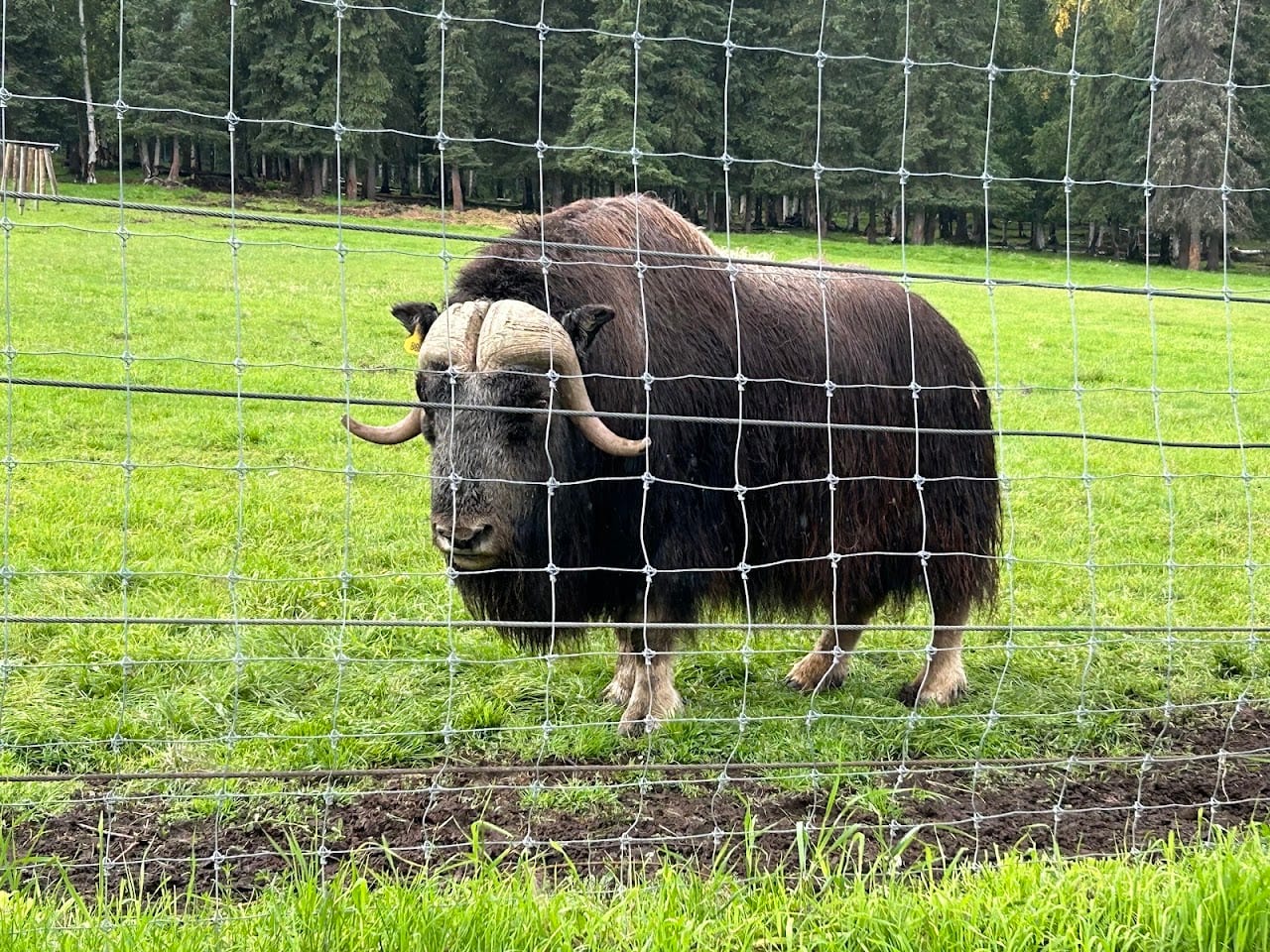
The Large Animal Research Station (LARS), operated expertly by the University of Alaska Fairbanks, offers a rare, highly educational wildlife viewing experience on a historic homestead. This specialized facility is dedicated to studying the biology and behavioral mechanics of majestic sub-Arctic large mammals, most notably prehistoric muskoxen and sleek woodland caribou. Visitors can take guided seasonal tours along the perimeter fences to photograph these ancient ice-age survivors and understand how they survive the harsh arctic conditions.
Practical Info
Mon9:30 AM – 4:00PM
Tue9:30 AM – 4:00 PM
Wed9:30 AM – 4:00 PM
Thu9:30 AM – 4:00 PM
Fri9:30 AM – 4:00 PM
Sat9:30 AM – 4:00 PM
Sun9:30 AM – 4:00 PM
Suggested Duration1-1.5 hours
Best TimeBest visited during scheduled morning public walking tours in summer (June to August). Run by the University of Alaska, this research station allows you to safely view prehistoric muskoxen and caribou growing massive antlers while learning about arctic biology.
Getting ThereSituated on Yankovich Road in the northern hills of Fairbanks. Drive about 15 minutes from downtown via Miller Hill Road to reach their dedicated gravel visitor parking area. Cycling from the nearby university trails is also an option.
Travel Tips
- Operated as a UAF scientific facility, public access is limited to scheduled summer naturalist walks; never approach or touch the high-voltage perimeter safety fencing.
- The resident Pleistocene-era muskoxen and caribou are easily startled; drones, laser pointers, and high-pitched vocal noises are strictly banned under research animal codes.
- The compact research station lot lacks EV infrastructure and turning space; long-wheelbase RVs should utilize authorized pullouts along Yankovich Road.
Reviews
Positive
- You can observe ancient living fossils—Muskoxen—and plump caribou up close, offering unique scenic value for animal and nature lovers.
- The guided walking path is compact and well-designed, flanked by clear wire fences for solid safety, featuring lively text and imagery on info boards.
- The graduate student guides are incredibly professional; their stories on muskox growth habits and the economic value of their wool are fun and engaging.
- Free from the commercial rush of generic tourist sites, visitor density is low, allowing you to quietly stand by the fence and hear animals graze, very healing.
Heads up
- It is a university research facility rather than a proper zoo; animals are kept deep inside massive, distant enclosures, sometimes invisible without binoculars.
- It opens for very limited public guided slots only in summer and closes in winter; showing up without checking schedules beforehand guarantees locked gates.
- The ticket feels pricey for a facility with just a few muskoxen; except for a tiny souvenir reception room, there are zero amenities outside of basic toilets.
- The station lacks tree shade entirely; summer noon brings baking sun and massive mosquitoes from the brush, lacking proper shade and pest-control maintenance.