
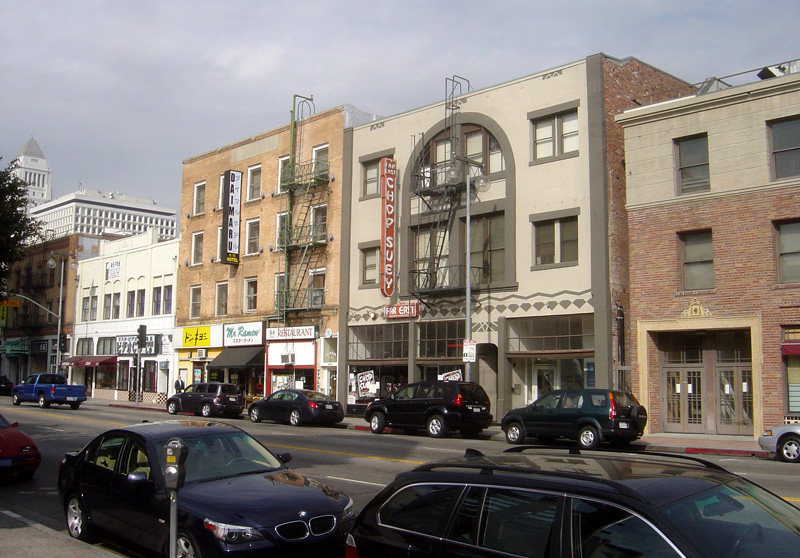
Little Tokyo
4.5google
4.3(304)yelp
ChinatownFolk CultureLocal LifeDowntown
Overview
As one of only three official Japantowns remaining in the United States, Little Tokyo in downtown Los Angeles is a culturally rich neighborhood with over a century of history. Visitors can wander through the charming Japanese Village Plaza, marked by its iconic red fire tower, to discover authentic ramen shops, sushi bars, and traditional mochi bakeries. The neighborhood also houses the Japanese American National Museum, offering profound cultural insights, alongside trendy boutiques and beautiful pocket gardens that offer quiet reflection.
Practical Info
Every dayOpen all day (shop hours vary)
Suggested DurationAbout 2-3 hours
Best TimeAn afternoon into early evening visit on weekends is ideal. The Japanese Village Plaza comes alive as its iconic red lanterns light up, creating a vibrant cultural atmosphere perfect for enjoying authentic ramen or picking up fresh traditional mochi and daifuku pastries.
Getting ThereThe most seamless way to travel is taking the Metro A Line or E Line directly to the Little Tokyo / Arts District Station, which drops you off right at the neighborhood's edge. Drivers can utilize several paid public parking structures located on 1st or 2nd Street.
Travel Tips
- Curbside parking meters around Little Tokyo enforce a restrictive 1-hour limit and heavy citation rates; drive directly into the Weller Court Parking Garage (123 Onizuka St) on East 2nd Street which offers a secure flat-rate daily maximum linking directly to the main plaza.
- To capture clean architectural shots of the Koyasan Buddhist Temple facades or the vintage neon branding at Daikokuya without a sea of pedestrians, arrive at 10:30 AM, precisely 30 minutes before commercial operations trigger massive dining queues.
- • 【Pitfall Mitigation & Safety】The southern perimeter of Little Tokyo directly borders the high-crime Skid Row vagrancy corridor; absolutely never walk south past East 3rd Street or San Pedro Street after 09:00 PM, as the urban environment abruptly transitions into active encampments posing immediate physical risks.
Reviews
Positive
- Bursting with authentic Japanese culture; the ramen, sushi, and daifuku mochi are incredibly genuine, a paradise for foodies.
- The pedestrian plazas are compact and charmingly laid out, with lovely Japanese gardens and red lanterns perfect for strolling.
- The Japanese American National Museum, anime shops, and cosmetics stores offer great depth for finding unique Japanese imports.
- Public transit is highly convenient, with the Metro A Line dropping you right in the heart of the community for easy exploration.
Heads up
- The district is small, with only two or three main plazas; if you aren't waiting for food, you can finish browsing in 30 minutes.
- Trendy eateries like Daikokuya feature agonizingly long wait times, frequently requiring over an hour of standing on the sidewalk.
- Some surrounding streets sit close to Skid Row; homeless presence spikes after dark, making certain alleys feel unsafe.
- Public parking spots are incredibly scarce, and private lots or garages charge unreasonably high rates during weekend dinner rushes.