
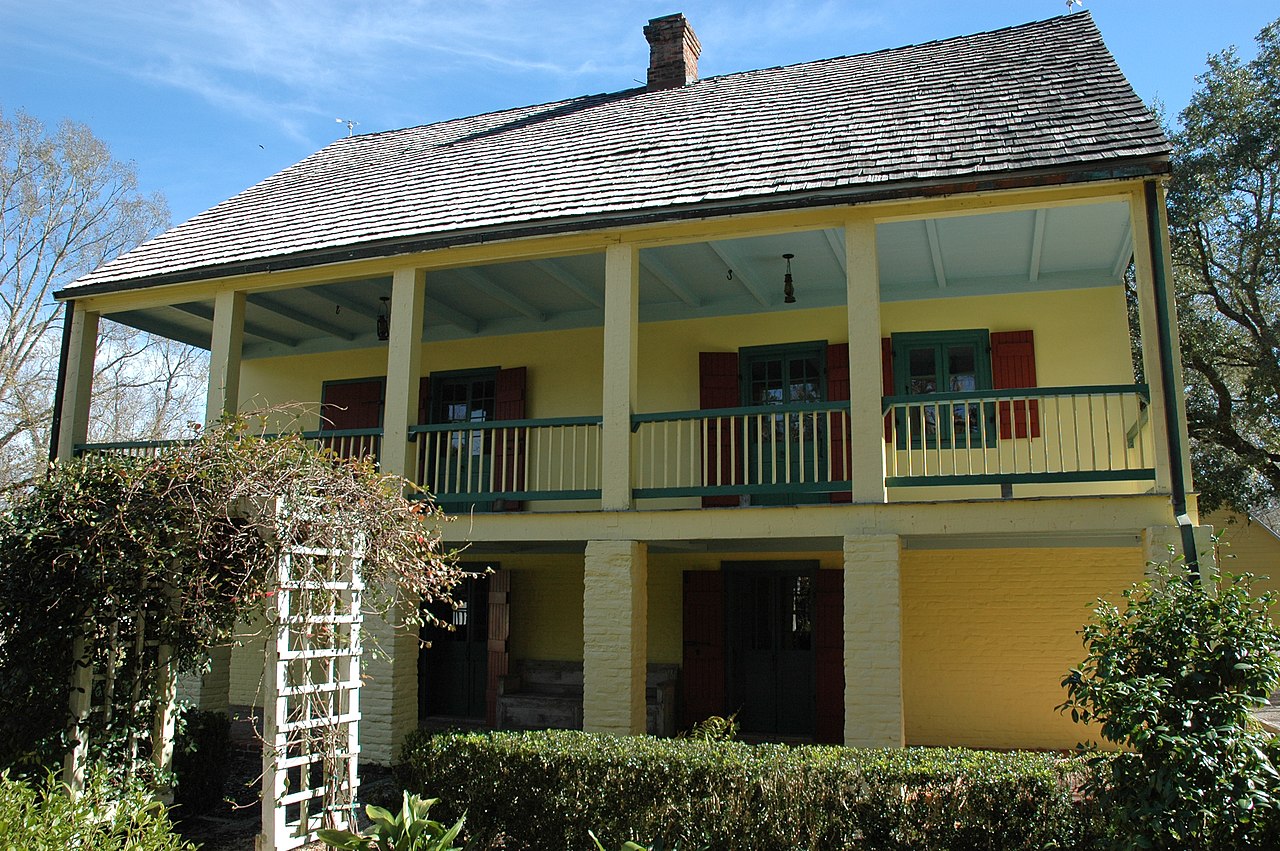
Longfellow-Evangeline State Historic Site
4.7(340)google
4.3(4)yelp
HistoryFolk Culture
Overview
Longfellow-Evangeline State Historic Site (French: Site historique d'État Longfellow-Evangeline), located in St. Martinville, Louisiana, showcases the cultural significance of the Bayou Teche region. It is the oldest state park site in Louisiana, founded in 1934 as the Longfellow-Evangeline State Commemorative Area.
Practical Info
Suggested Duration2-3.5 hours
Best TimeHighly recommended from October to March, Wednesday through Sunday mornings (9:30 AM - 12:00 PM). Mild winter conditions keep the bayou air dry and mosquito-free. Morning aligns with live historic interpretations at the early 19th-century Olivier Plantation House, where rangers in period dress demonstrate historic farming and weaving.
Getting ThereLocated north of New Iberia at 200 Evangeline Thruway (LA-31) in St. Martinville. Driving is best: from New Iberia, drive straight north on LA-31 N for about 9 miles into the town of St. Martinville; the state historic site's grand wooden gates appear clearly on the right, providing an expansive, free parking facility inside.
Travel Tips
- As a State Historic Site, recreational drone flights are illegal; harming or harvesting protected Spanish moss from historic live oaks triggers major state fines.
- The reconstructed Acadian Farmstead consists of raw earth pathways that dissolve into mud post-rain; low-clearance footwear fails on high historical thresholds.
- The indoor visitor galleries shut entirely on Mondays and Tuesdays; ticketing is digital-only, and the kiosk window accepts zero physical paper cash change.
Reviews
Positive
- As Louisiana's first state historic site, it authentically recreates frontier life through the historic Maison Olivier plantation house and an elevated Creole cottage.
- Perched on Bayou Teche, the expansive grounds are enveloped by wild woods and wetlands; the setting is rustic and peaceful, free from commercial noise.
- Admission is remarkably cheap and includes a guided tour by professional rangers whose breakdown of Acadian and Creole culture is highly educational.
- The site keeps traditional livestock and offers spacious, clean, shaded picnic areas with a free parking lot, serving as a high-value historic pit stop.
Heads up
- The historic houses preserve early 19th-century wood frames without modern A/C, making them feel stifling and suffocating during humid July and August days.
- During off-peak weekdays, available docents are limited; you often have to wait over 20 minutes in the lobby to gather a group before the guided tour starts.
- Some outdoor wooden viewing platforms near the bayou show their age from damp humidity, with slightly loose planks that require watching your step.
- The displays use a text-heavy, traditional English layout lacking modern multi-language audio wands, which makes it less engaging for kids and foreign tourists.