
Maui
4.7(2.1K)google
4.3(167)yelp
IslandRoad TripBeach
Overview
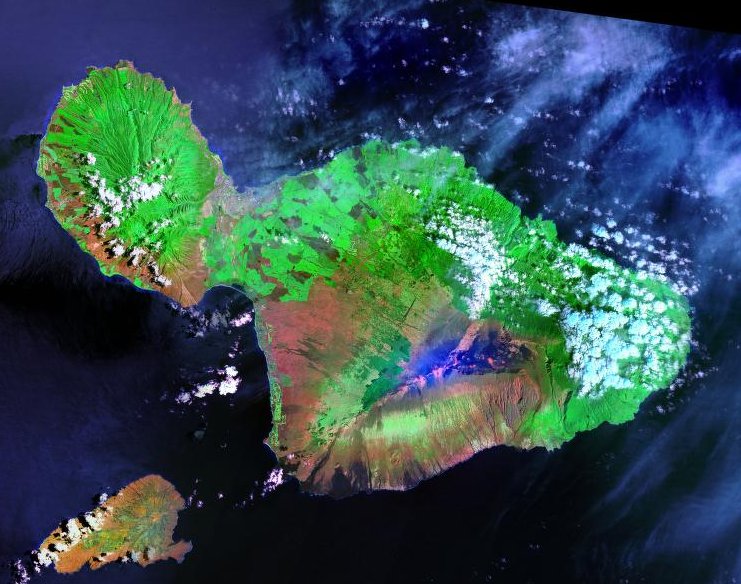
Maui is the second-largest island in the Hawaiian archipelago, at 727.2 square miles (1,883 km2). It is the 17th-largest in the United States. Maui is one of Maui County's four sizable islands, along with Molokaʻi, Lānaʻi, and Kahoʻolawe.
Practical Info
Suggested Duration2-4 days
Best TimeRenowned as 'The Valley Isle,' Maui is best enjoyed during the pleasant shoulder months of April-May and September-November. These windows avoid peak winter holiday surcharges and extreme summer humidity. Late afternoon from 3:00 PM to 7:00 PM delivers the most magical conditions for cruising the coastal cliffs or enjoying a beach stroll.
Getting ThereKahului Airport (OGG) serves as the primary commercial flight hub of the island. Because Maui's premier environments (Hana Highway, Upcountry slopes, and West Side coves) are vastly separated and the local Maui Bus offers limited lines for holiday travelers, renting an agile car or SUV is entirely non-negotiable.
Travel Tips
- The Big Island has two main airports: Kona (west) and Hilo (east); picking up a vehicle in Kona and returning it in Hilo incurs massive one-way drop-off fees, requiring precise itinerary and flight alignment before booking.
- The interior Daniel K. Inouye Highway (Saddle Road) and southern Ka'u districts span vast wilderness regions with zero cell signal and no gas stations; tanks must be topped off in major urban hubs before transiting the island.
- The island contains 4 distinct climate zones; temperatures fluctuate from 85°F at coastal resorts to near-freezing at high-altitude summits within hours, making it mandatory to pack both down jackets and reef-safe sunscreen in your vehicle.
Reviews
Positive
- Deservedly called 'The Magic Isle,' it perfectly balances pristine natural landscapes with luxury resort experiences. From the stunning Road to Hana to premier snorkeling beaches, its core tourist value is unparalleled.
- Public facilities across the island's public beaches and landmark lookouts are highly complete, generally equipped with free parking lots, rinse showers, picnic tables, and well-maintained clean restrooms.
- Service workers possess immense warmth and professionalism, backed by a strong safety system. While public transit isn't advanced, driving loop signs are highly comprehensive, making getting lost rare.
- The island features many pristine, free-to-enter state parks and beaches. As long as you avoid a few highly commercialized tourist-trap resorts, pure beach-lounging and sunset-watching remain highly valuable and beautiful.
Heads up
- The island's cost of living, hotel rates, and gas prices rank among the highest in the US. Almost all restaurant menus and water recreation projects (like whale-watching or boat snorkels) are expensive, pressing budgets.
- The public transit lines are minimal with long intervals; without renting a car, independent exploration is practically impossible, yet severe traffic jams hit Kahului downtown and certain corridors.
- Some highly hyped internet-famous spots (like certain waterfalls or tiny black beaches along Hana Highway) carry major 'catfish' elements; due to lagging trash bins, discarded litter occasionally ruins the vibe.
- Several core popular beaches and upscale Wailea resort zones are overly crowded with walls of people and suffocating commercialism, making it hard to find a completely serene, native beach corner.