
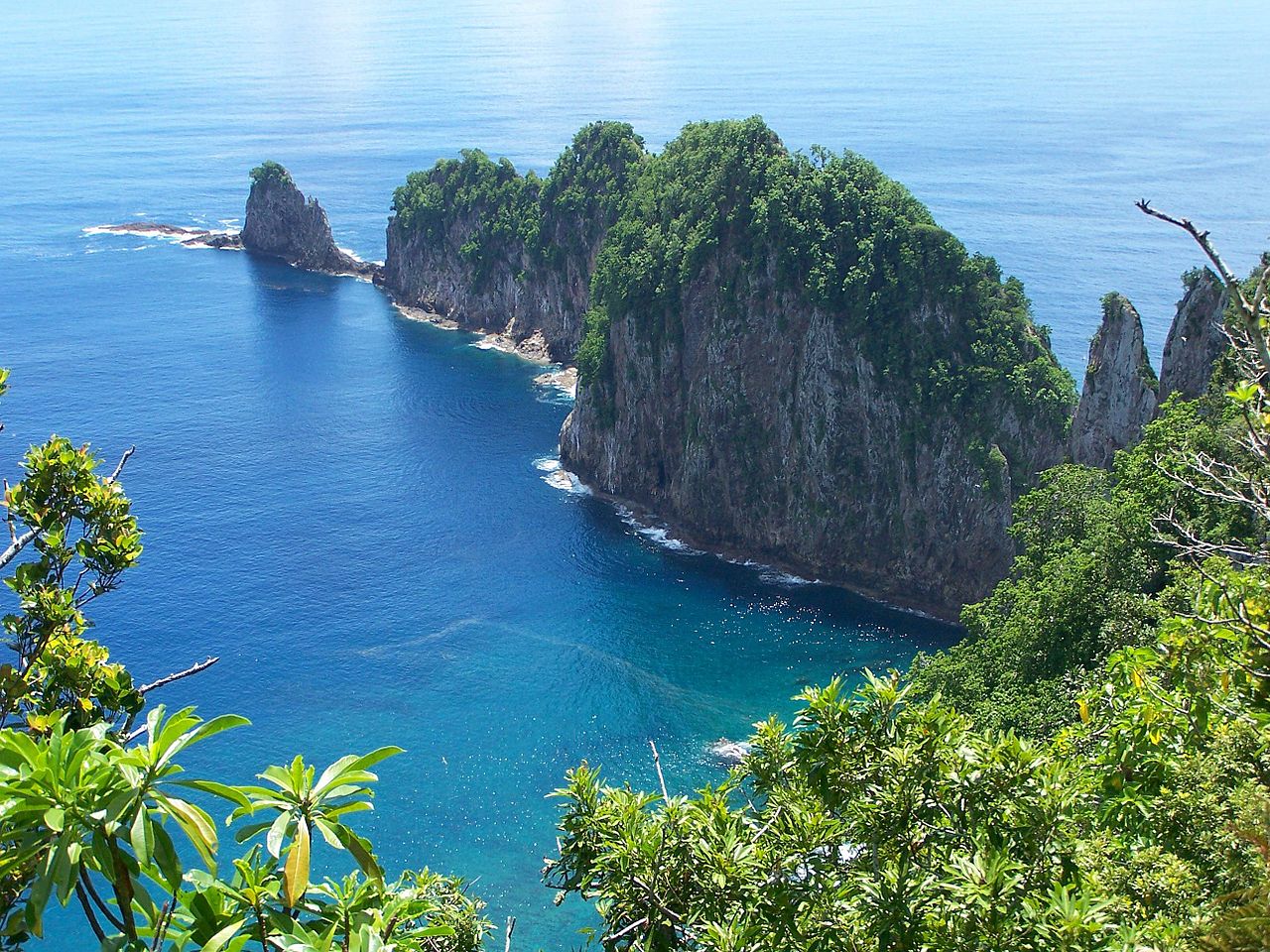
National Park of American Samoa
4.7(101)google
4.5(8)yelp
Nature
Overview
The National Park of American Samoa is a breathtaking, uniquely pristine paradise and the only United States national park located south of the equator, distributed across three volcanic islands. Preserving thousands of acres of tropical rainforests, dramatic coral reefs, and isolated white-sand beaches, the park passionately protects the deep 3,000-year-old Samoan cultural heritage. Hikers and snorkelers can experience an incredibly rich biodiversity, from giant fruit bats to hundreds of colorful native marine species.
Practical Info
Suggested Duration1 day
Best TimeThe absolute best season to visit is the dry season from June to September, which offers the lowest chance of rainfall and completely avoids the South Pacific cyclone season from November to April. Start your day around 7:00 AM for hikes along the Mount Alava or Pola Mountain trails to enjoy cooler morning temperatures and crisp panoramic views of untouched tropical rainforests and the deep blue Pacific.
Getting ThereThe park spans multiple islands, with the main accessible section on Tutuila Island. There is no rail system; you can catch a local, brightly-painted family-run 'Aiga Bus' heading toward Fagasa or Vatia from downtown Pago Pago and ask to be dropped near the park trailheads. However, due to irregular bus schedules, renting a 4WD vehicle at the airport and driving along Ridge Road is highly recommended, as all major overlooks offer free roadside parking.
Travel Tips
- Most park lands are leased from local indigenous villages under communal ownership. Visitors must strictly adhere to the traditional Samoan way of life (Fa'asamoa): flash photography or recording near villages without elder consent is prohibited, Sunday loud noises are barred, and everyone must halt movement during evening prayer (Sâ).
- The pristine coral reefs across Tutuila and Ofu units hide highly volatile, unpredictable rip currents and undertows. The park features zero stationed lifeguards, and the territory lacks advanced emergency medical infrastructure; never venture past the shallow reef crest and always swim with a partner.
- Reaching the remote Ofu unit mandates booking local flights or private skiffs susceptible to sudden weather cancellations, and the area contains no retail shops or public hydrants. Rain hammock trails host aggressive tropical insects; rugged hiking shoes, excess hydration, and high-concentration DEET are mandatory.
Reviews
Positive
- The snorkeling experience here is breathtaking, with the nearshore coral reef ecology perfectly preserved, making it easy to spot schools of colorful tropical fish and sea turtles.
- The park's wilderness trails have absolutely no trace of artificial molding; the dense giant ferns and volcanic coastlines offer a stunning Jurassic Park-like visual experience.
- The visitor center in downtown Pago Pago is well-managed, and the staff and local Samoan guides are incredibly helpful, mapping out live trail conditions in great detail.
- No admission fee is required as it is completely free to the public, with zero hidden costs or aggressive upselling, preserving the purest form of a public nature reserve.
Heads up
- The island weather is highly unpredictable with frequent heavy downpours; once a storm hits, most unpaved dirt trails instantly turn into mud pits that are extremely slick and impassable.
- The trail markers and signage system inside are far too primitive, lacking multilingual options, and many wooden signs are rotted or faded from non-stop humidity, making it easy to get lost without offline GPS.
- The park is scattered across three different islands; reaching areas beyond Tutuila (like Ta'u) involves extremely scarce and erratically scheduled ferries, yielding poor inter-island convenience.
- Restrooms, rain shelters, and clean drinking water refill stations are virtually non-existent along the paths, leaving you completely isolated in the deep rainforest, requiring high self-reliance.