
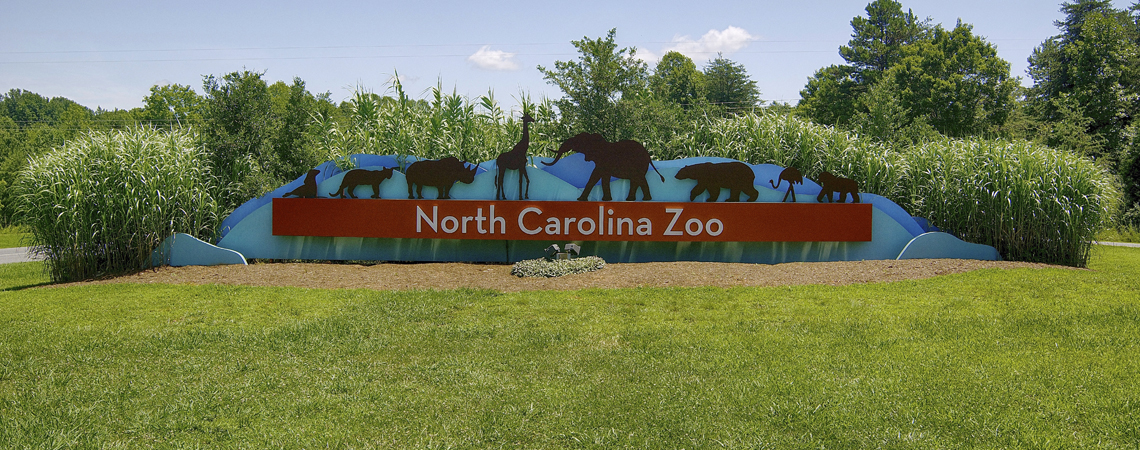
North Carolina Zoo
4.6(27K)google
4.3(355)yelp
WildlifeWildlife WatchingKidsSenior-FriendlyOutdoorParking AvailableRestrooms AvailableWorld RecordMust-SeeEducational
Overview
The North Carolina Zoo, formerly the North Carolina Zoological Park, is a zoo in Asheboro, North Carolina, housing 1,700 animals of more than 250 species, primarily representing Africa and North America. It is one of two state-supported zoos in the United States, with the other being the Minnesota Zoo. With 500 acres (2.0 km2) developed, it is the world's largest natural habitat zoo.
Practical Info
Every day9:00 AM – 5:00 PM
Suggested Duration4-6 hours
Best TimeThe absolute best window is spring (April-May) or autumn (October-November). Arrive exactly at 9:00 AM at the North America gate on a weekday; cooler morning temperatures prompt active behavior in grizzly bears and red wolves before they seek afternoon shade.
Getting ThereLocated south of Asheboro at 4401 Zoo Parkway. Driving is mandatory due to lack of public transit networks. From Charlotte, take I-85 N to US-64 E into Asheboro, then follow the prominent zoo signage for 6 miles to reach the expansive free parking plazas.
Travel Tips
- The park spans 2600 acres with a 5-mile walking loop between Africa and North America; enter by 09:00 to hike from the furthest point backward, or buy a 5-dollar all-day shuttle pass to avoid exhaustion.
- Animals retreat from midday heat after 11:00 in summer; optimal viewing window is 09:00 to 11:00. Park at the North America lot for faster entry, and bring heavy sun protection due to limited canopy shade.
- Open-air habitats in the Africa section close instantly during thunderstorms with no refunds; internal shuttles suspend operations in heavy rain, making app-checked weather status mandatory before entry.
Reviews
Positive
- The natural exhibits are incredibly vast; animals in the Africa and North America sections live in simulated open habitats, making the landscape visually stunning without any misleading promotion.
- The walking trails inside the park are clean, spacious, and offer plenty of shade, with well-distributed infrastructure like restrooms, making it perfect for a long walk with kids.
- The staff members are enthusiastic, highly knowledgeable, and eager to answer questions; the order management is excellent, keeping queues efficient even on weekends.
- As the world's largest natural habitat zoo, the ticket price offers extreme value for money, and the ample free parking makes it a highly worthwhile visit.
Heads up
- Due to the massive size of the park (500 acres), visitors must walk extremely long distances, which is physically demanding, and the wait times for accessible shuttles can be long.
- Since the habitats are so large and heavily wooded, animals often hide far away or in the grass, leaving some enclosures feeling like you are just looking at empty land.
- The in-park secondary dining options are relatively basic and limited to fast food; the taste is mediocre but prices are significantly higher than outside, lacking high-quality food options.
- During the hot and humid summer months, mosquitoes can be bothersome, and there is a lack of sufficient sun shelters or rest benches in areas directly exposed to the blazing sun.