
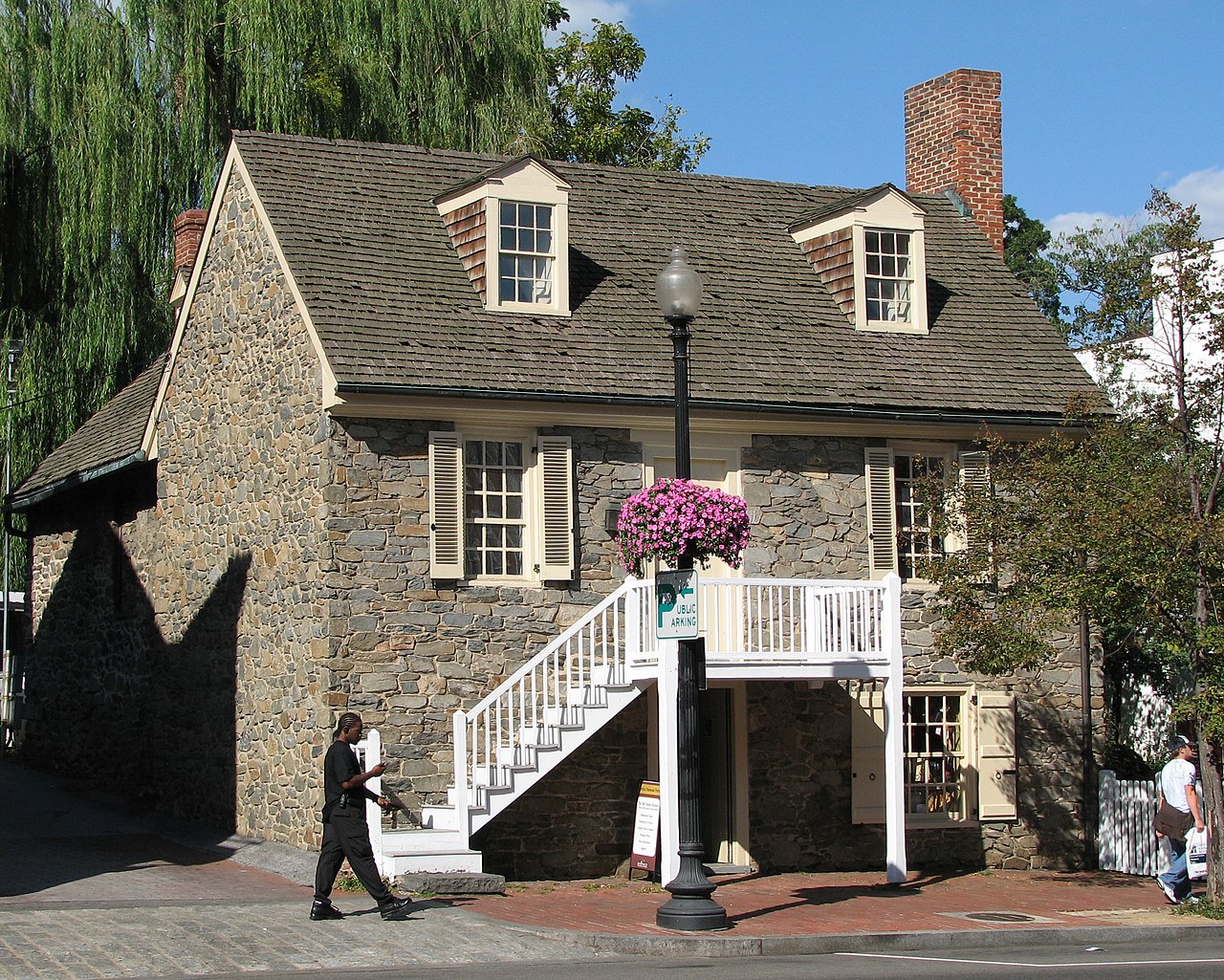
Old Stone House
4.2(422)google
4.1(45)yelp
Historic BuildingHistoryPhoto SpotFree
Overview
Built in 1765, the Old Stone House is the oldest un-reconstructed building in Washington D.C., standing as a rare and pristine example of pre-Revolutionary colonial architecture in the heart of bustling Georgetown. Maintained by the National Park Service, this historic structure features thick, native blue slate stone walls and low timber-framed ceilings. Visitors can step through the threshold to explore furnished historic rooms showing simple colonial life, or walk into the beautiful, English-style public flower garden nestled peacefully behind the home.
Practical Info
Suggested DurationAbout 20-40 minutes
Best TimeAs D.C.'s oldest surviving colonial-era building remaining on its original foundation, an afternoon in spring or early autumn is best. The historic English herb and flower garden behind the house is sunny and offers a peaceful oasis.
Getting ThereLocated on busy M Street NW in Georgetown. There is no direct train; take the Blue, Orange, or Silver lines to Foggy Bottom-GWU, walk 12 minutes west across the creek, or take the DC Circulator bus directly to 30th Street.
Travel Tips
- While the historic English courtyard garden is free and open daily, the actual house interior operates on highly restricted hours. It is typically open to the public only Friday–Sunday for limited midday blocks; check the NPS site to avoid seeing only the exterior.
- Dating to 1765, this fragile stone-and-timber house bars strollers, bulky backpacks, and outside liquids like coffee or boba. Due to incredibly narrow passageways and historic stairs, the interior is not wheelchair accessible.
Photo Tips
Photo Rules
- Because of the highly restricted square footage inside, professional setups including tripods, monopods, and portrait photography are strictly banned. On-duty National Park Rangers will immediately halt unauthorized equipment use.
Reviews
Positive
- As DC's oldest preserved pre-Revolutionary colonial landmark building, its authentic 1765 rough-hewn stone bones deliver incredible historical weight and archeological text.
- The indoor historical rooms are masterfully staged with primitive fireplaces and looms, presenting exceptional intellectual value for serious colonial history buffs.
- The hidden English flower garden in the rear is a free public paradise; beautifully shaded by mature trees, its benches offer a perfect, serene sanctuary to escape neighborhood foot congestion.
- The National Park Service rangers on-site are deeply knowledgeable and warm, keeping the self-paced historic tour well-guided and distributing clear informational brochures.
Heads up
- The historic residential layout is uncomfortably small and cramped, relying on steep, tight wooden steps that are completely inaccessible for strollers or mobility devices.
- The actual physical exhibit density is quite light and basic; casual drop-in walkers shuffling through the tiny rooms without guide booklets will finish the entire interior in 5 minutes.
- Public transit connectivity is poor with zero close Metro stops, and battling for scarce metered street slots along the dense historic Georgetown residential grid is a total logistical hassle.
- The operating hours are strictly limited and short, with early afternoon building closures that frequently leave unprepared late-day tourists staring at a locked colonial front gate.