
Penn Center
Overview
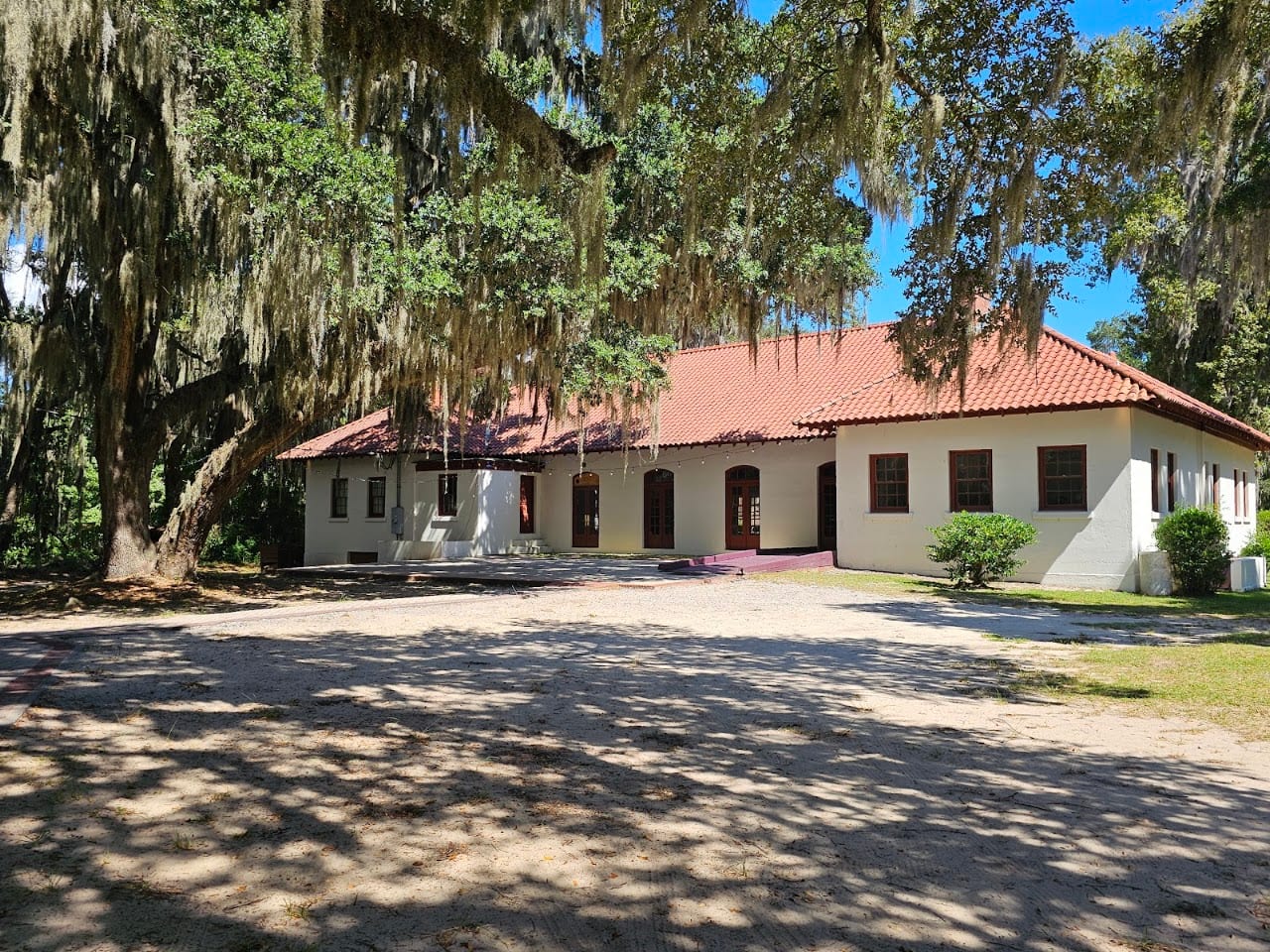
The Penn Center protects an extraordinarily grand, deeply sacred 50-沿海 cultural property nestled on St. Helena Island near Beaufort, globally celebrated as the absolute premier living history monument dedicated to Gullah-Geechee cultural preservation. Established in 1862 as the historic Penn School, this National Historic Landmark was one of the very first schools in America built specifically to educate newly freed West African enslaved individuals. Visitors can tour the beautifully preserved 19th-century timber halls, explore comprehensive museum exhibits displaying authentic African folk arts, and read handwritten civil rights archives from Dr. Martin Luther King Jr.'s planning retreats here. It acts as a serene cultural sanctuary illustrating historical resilience and social education.
Practical Info
Travel Tips
- The expansive St. Helena Island historical campus sits within a cellular blindspot; buffer your GPS topographic routing profiles before exiting US-21.
- The pristine Gullah heritage grounds enforce an absolute zero-smoking and zero-vaping mandate; park rangers issue steep citations for any fire or tobacco violations.
- The individual museum galleries and archives remain dark every Sunday and Monday; schedule your cultural touring route strictly for Tuesday–Saturday windows.
Reviews
- As one of the nation's first schools for freed slaves, it preserves an incredibly deep history of Gullah culture and Reconstruction history.
- The sacred grounds are beautifully preserved under moss-draped live oaks, honoring the history where Dr. Martin Luther King Jr. worshiped.
- The museum exhibits and historical displays in Darrah Hall are highly educational, complemented by passionate, well-informed staff.
- Just a 15-minute drive from town, it pairs perfectly with exploring nearby tabby ruins, local shrimp joints, and cultural historic sights.
- Many original wooden campus buildings remain locked for daily operations or ongoing preservation, limiting visitors to exterior viewing.
- The deeply academic exhibits rely heavily on dense text panels without multilingual descriptions, making it challenging for international tourists.
- The campus layout is vast, and scattering historic markers means visitors can easily miss key tabby ruins or markers without a property map.
- Operating hours are highly restrictive, with doors completely shuttered on Sundays and Mondays, requiring careful itinerary scheduling.