
Plum Bayou Mounds Archeological State Park
4.6(550)google
4.8(4)yelp
Nature
Overview
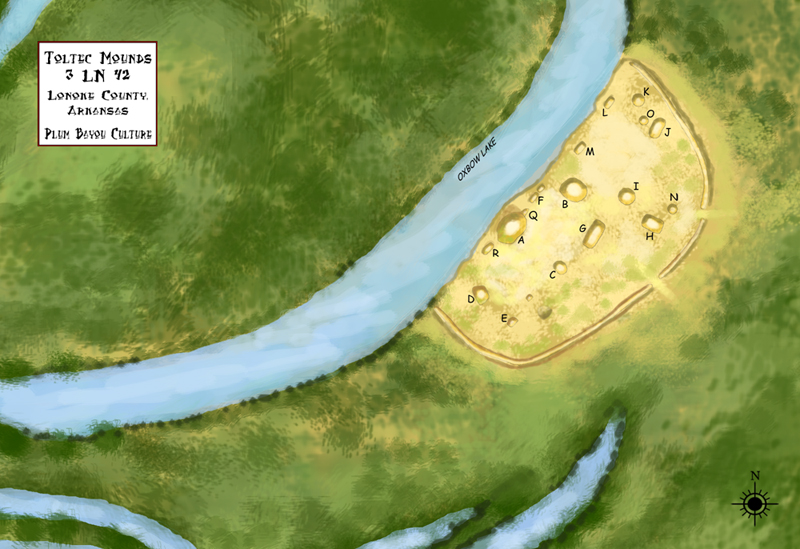
Plum Bayou Mounds Archeological State Park (3 LN 42), formerly known as "Toltec Mounds Archeological State Park", also known as Knapp Mounds, Toltec Mounds or Toltec Mounds site, is an archaeological site from the Late Woodland period in Arkansas that protects an 18-mound complex with the tallest surviving prehistoric mounds in Arkansas. The site is on the banks of Mound Lake, an oxbow lake of the Arkansas River. It was occupied by its original inhabitants from the 7th to the 11th century.
Practical Info
MonClosed
TueClosed
Wed8:00 AM – 5:00 PM
Thu8:00 AM – 5:00 PM
Fri8:00 AM – 5:00 PM
Sat8:00 AM – 5:00 PM
Sun1:00 – 5:00 PM
Suggested Duration1.5-2.5 hours
Best TimeFormerly known as Toltec Mounds, this is one of the Mississippi Valley's most significant and well-preserved prehistoric Native American earthwork complexes. Late afternoon from 4:30 PM to 6:30 PM is magical; the setting sun casts elongated shadows behind the massive, towering geometric temple mounds, reflecting a deep spiritual and ancient aura over the bayou lakes.
Getting ThereSecluded amid the vast delta farmlands south of Scott at 490 Toltec Mounds Rd. Drive east from Little Rock on I-40 E to Exit 165, then drive south along rural AR-391 S straight for 10 miles into the hamlet of Scott. Turn left south onto state highway AR-165 S for 4 miles; the grand historical park gates and visitor center paved lot will appear on your right.
Travel Tips
- Preserving high-value pre-Columbian indigenous ceremonial earthworks, all structural mounds are legal exclusion zones. Bypassing fences or scaling the grass slopes for photography triggers immediate arrest for archaeological resource vandalism; hikers must stay strictly on marked boardwalks.
- The subterranean strata house fragile pre-historic pottery shards and projectile points strictly protected by state antiquities acts. Transporting or possessing a metal detector inside any private vehicle here is fully illegal; collecting surface stones prompts immediate ranger indictment.
- Bordering low-lying alluvial river floodplains, tick and mosquito populations spike intensely from April through October, making heavy DEET application an operational necessity. The main access gates close automatically via timers, requiring vehicle egress before 04:45 PM.
Reviews
Positive
- This is Arkansas's most important Native American historic site; the towering prehistoric earthwork mounds hold immense archaeological value, offering a profound cultural experience.
- The park features a flat, well-kept boardwalk, with informative signs detailing the alignment of the mounds with astronomy and solstices, which is highly educational.
- The environment is highly pristine and quiet, completely free of modern commercialism, with few visitors, allowing peaceful contemplation and walking without disruption.
- The admission fee is highly reasonable, the small artifact exhibit in the visitor center is well-kept, and the rangers are passionate and eager to answer questions.
Heads up
- Visually, the main sights are just massive grass-covered dirt mounds; without diving into the historical context, casual tourists might dismiss them as 'ordinary hills'.
- The location is highly isolated, situated in the middle of vast farmlands and flatlands with monotone driving routes, and zero amenities or dining for miles around.
- Being near wetland geography, summer mosquitoes and biting flies are intensely thick, making it impossible to stand outdoors for five minutes without heavy insect repellent.
- Aside from the main boardwalk, deeper dirt trails get completely muddy after rain, and the park has relatively short operating hours with basic restroom cleaning frequencies.