
Rachel Carson National Wildlife Refuge
4.7(2.0K)google
4.4(46)yelp
Hiking TrailBird WatchingFamilyOutdoorHealingSlow-PacedFreeWetlandBirdsCoast
Overview
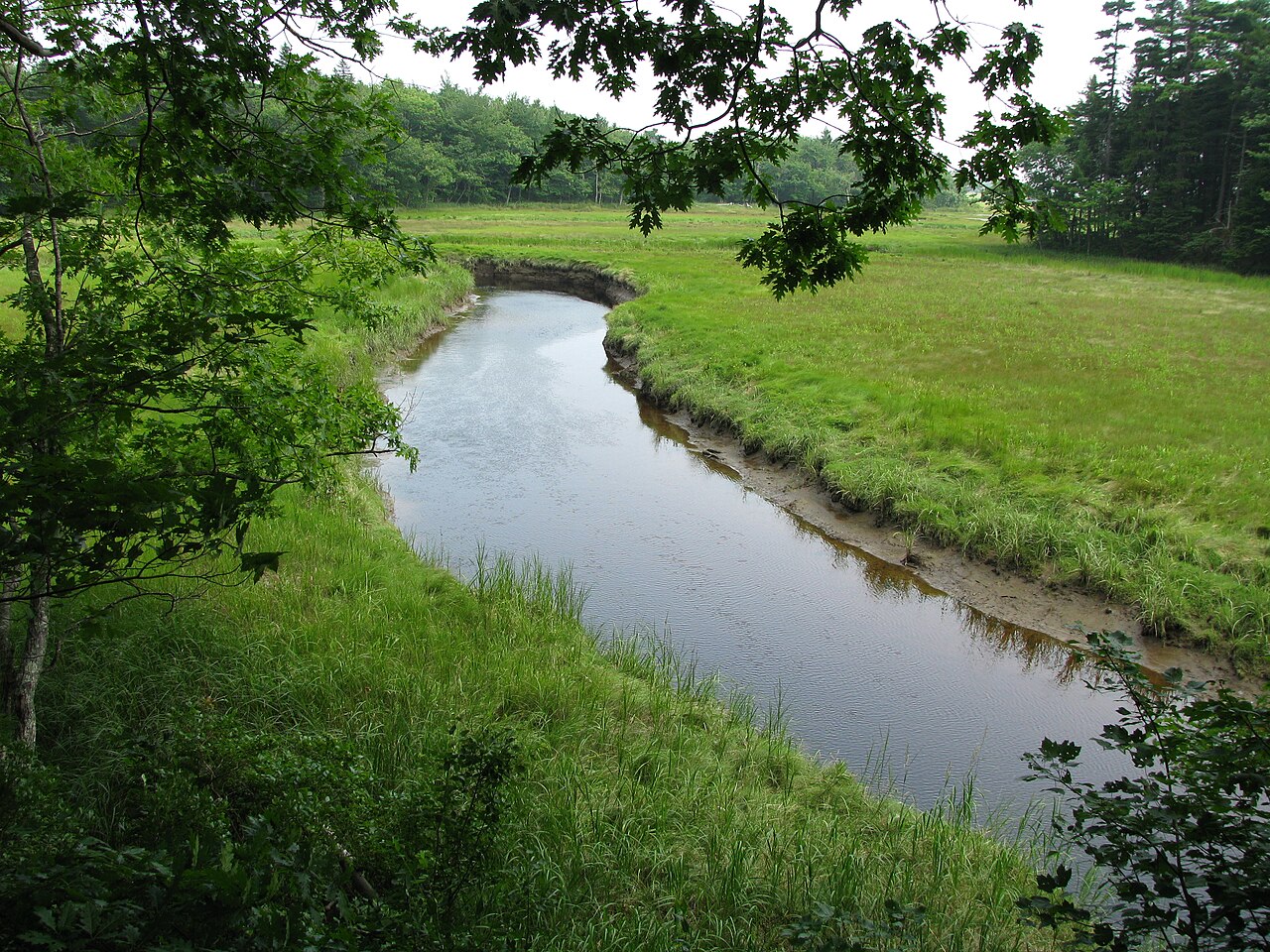
The Rachel Carson National Wildlife Refuge is a 9,125-acre (37 km2) National Wildlife Refuge made up of several parcels of land along 50 miles (80 km) of Maine's southern coast. Created in 1966, it is named for environmentalist and author Rachel Carson, whose book Silent Spring raised public awareness of the effects of DDT on migratory songbirds, and of other environmental issues. The refuge's parcels include protected areas between Kittery and Cape Elizabeth, including land in Wells, Kennebunk, Kennebunkport, Biddeford, Saco, and Scarborough.
Practical Info
Mon9:00 AM – 4:00 PM
Tue9:00 AM – 4:00 PM
Wed9:00 AM – 4:00 PM
Thu9:00 AM – 4:00 PM
Fri9:00 AM – 4:00 PM
Sat9:00 AM – 4:00 PM
SunClosed
Suggested Duration1.5-2.5 hours
Best TimeMay through October provides the ultimate ecological conditions for birding along this protected coastal estuary. Entering the refuge early in the morning between 6:00 AM and 9:00 AM is spectacular. Walking the fully accessible 1-mile wooded loop boardwalk (Carson Trail) allows early sunlight to pierce the tidal pine stands, beautifully illuminating the vast salt marshes while rare wading herons and egrets forage.
Getting ThereThe massive federal refuge spans multiple marshes; the primary headquarters and scenic loop trail start at 321 Port Road in Wells. Drivers smoothly navigate coastal US-1 into the Wells grid, turn onto ME-9 East (Port Road) heading toward Kennebunkport for 1.5 miles to spot the wooden sanctuary markers on the right; the refuge features an asphalt visitor lot nestled in the pines. No public buses run here.
Travel Tips
- As a premier federal sanctuary, the Carson Trail enforces a non-negotiable ban on all domestic dogs and pets, regardless of leashes or carriers; only credentialed ADA service animals clear the main trailhead entry.
- The path skims fragile salt marshes; stepping off the elevated wooden boardwalk destroys critical sparrow nesting habitats and risks trapping pedestrians within high-suction intertidal mud mires.
- Federal law mandates an ironclad drone ban and absolute Leave No Trace execution across the refuge; foraging plants or abandoning single-use refuse prompts mandatory appearance citations before a US Magistrate.
Reviews
Positive
- The salt marsh and tidal river vistas are pristine and vast! The raw wetlands interlocked with tall pine woods provide a highly relaxing escape.
- The one-mile gravel and boardwalk Carson Trail is perfectly flat, boasting top-notch accessible facilities for strollers and elders.
- As a wildlife refuge, it's a paradise for birdwatching. Exquisite ecological educational signs along the path offer great nature fun.
- Completely free with no admission fees. It offers a compact, clean free lot and eco-toilets, free of commercialism. Maximum value.
Heads up
- Being next to major tidal marshes, mosquitoes and blackflies are vicious in summer and fall; sitting on a bench brings swarms.
- The dedicated parking lot is extremely tiny, fitting only a dozen cars. It fills up quickly on sunny weekend afternoons, leaving no room.
- Aside from the short one-mile loop trail, it lacks longer trekking routes, which may feel too brief for serious hikers seeking exercise.
- Strict ecological rules strictly prohibit dogs on the trails. Road-trippers traveling with pets must take note to avoid disappointment.