
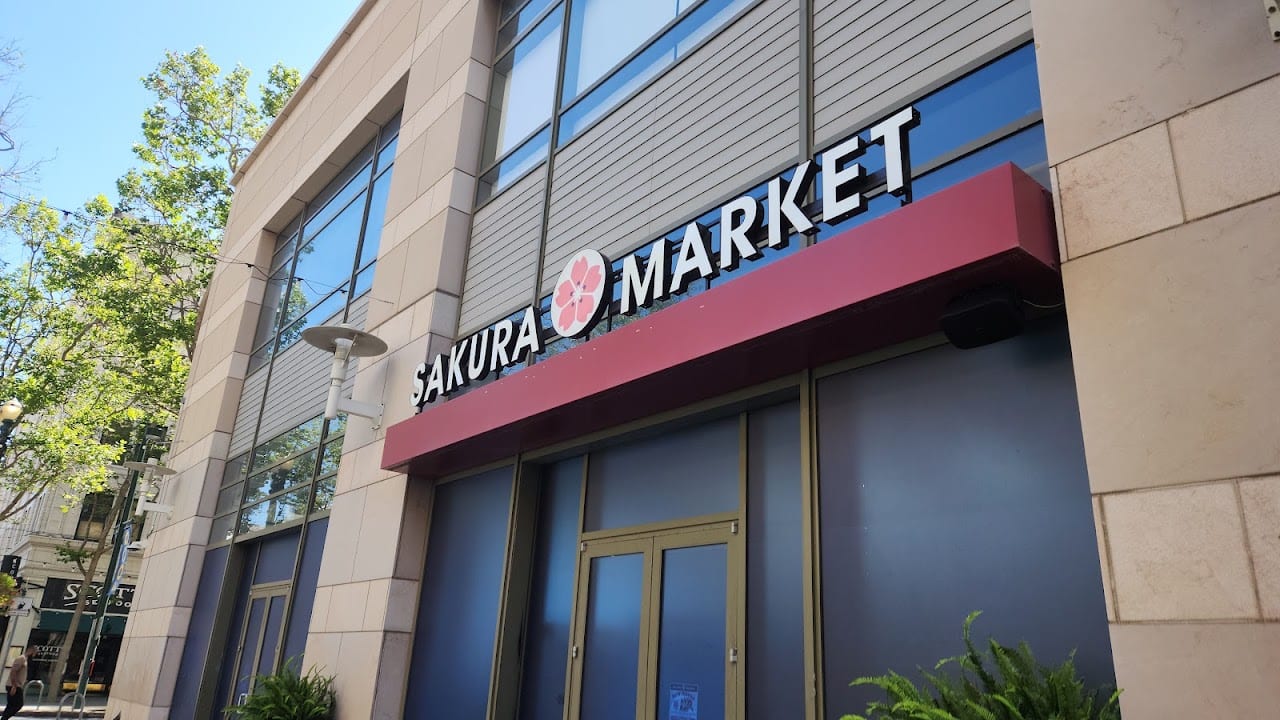
Sakura Market
4.3(19)google
3.7(22)yelp
Local LifeFolk CultureDowntown
Overview
Sakura Market is a charming, deeply authentic neighborhood Japanese grocery store and cultural landmark that has proudly served the diverse community of San Jose for generations. Tucked away beautifully, this boutique marketplace offers an extraordinary, highly curated selection of direct imported Japanese goods, from rare specialty snacks and premium organic matchas to ultra-fresh sashimi-grade fish blocks. Food enthusiasts and home chefs frequent the shop to source authentic pantry staples, purchase masterfully prepared bento boxes, and experience a quiet, polite, and culturally rich culinary journey.
Practical Info
Suggested Duration0.5-1 hour
Best TimeThursday or Friday mornings right at 11 AM opening when fresh imported Japanese sashimi grades and handmade bento boxes clear inventory stocking.
Getting ThereLocated at 615 N Sixth St in Japantown. Features a tiny dedicated free rear surface customer lot, with highly restrictive compact stalls.
Travel Tips
- Strict raw food return ban: For public health biosecurity compliance, all finalized sales on fresh sea urchin, premium sashimi, or short-shelf-life mochi bento box slots are 100% final. Zero returns or cash exchange post-exit.
- Oversized bag restriction: Aisles are lined with fragile, pricey glass soy bottles and ceramic sake crafts. Squeezing inside with bulky outdoor backpacks or wide open totes is strictly barred; leave large luggage packs at the front registers.
- Blind-spot driveway hazard: The compact rear lot exit triggers a severe geometric blind spot blocked by historic building brickwork. Always roll down windows to check for pedestrian footsteps and crawl out extremely slowly to avoid crossing bike lanes.
Reviews
Positive
- Charming nostalgic Showa-era small grocer layout; exceptionally authentic Japanese imported spices, natto, and pastries.
Heads up
- Extremely cramped aisle paths make squeezing past other shoppers difficult; niche imports trigger higher price premiums.