
Taliesin
4.8(829)google
4.5(146)yelp
Historic BuildingDecorative ArtDate SpotSenior-FriendlyOutdoorPhoto SpotCity LandmarkMust-SeeGuided Tour OnlyGuided TourEducational
Overview
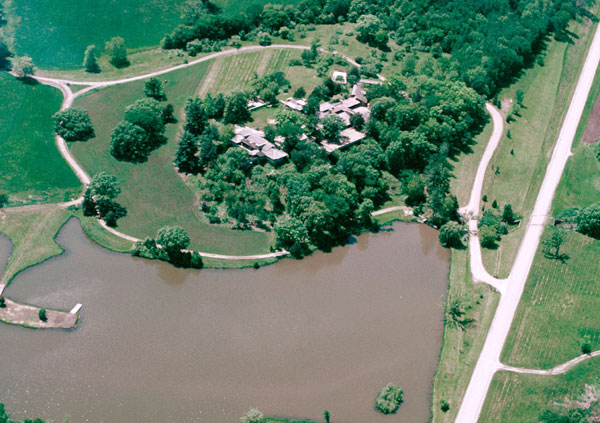
As a UNESCO World Heritage site, Taliesin was the beloved home, studio, and organic architectural laboratory of Frank Lloyd Wright for nearly fifty years. Nestled harmoniously into the rolling hills of Spring Green, the main estate beautifully illustrates Wright's core concept of organic architecture, where buildings belong to the hill rather than on it. The site includes his personal residence, a school, and historic farm buildings.
Practical Info
Mon9:00 AM 5:00 PM
Tue9:00 AM – 5:00 PM
Wed9:00 AM – 5:00 PM
Thu9:00 AM – 5:00 PM
Fri9:00 AM – 5:00 PM
Sat9:00 AM – 5:00 PM
Sun9:00 AM – 5:00 PM
Suggested Duration2-4 hours
Best TimeThis is Wright's personal estate and primary studio, strictly accessible via guided tours from May to October. The ultimate time is an afternoon tour between 2:00 PM and 5:00 PM; the angled golden light accentuates the local yellow limestone walls and standard-setting 'organic architecture' philosophy, beautifully seamlessly blending the indoor spaces with the surrounding ridge.
Getting ThereDirect personal vehicular driving to the estate gates is strictly prohibited for preservation safety. Visitors must park at the Frank Lloyd Wright Visitor Center parking lot off WI-23 S, check in for their pre-booked tour time, and board the official Taliesin shuttle bus that transports guests across the highway directly into the secure hilltop estate grounds.
Travel Tips
- The residential rooms hold delicate Japanese woodblock prints and custom low furnishings without containment dividers. While on trail, your arms must stay pinned close to your frame; expressive hand gesturing or pointing close to artifacts triggers warning stops. Children under 10 are restricted from signature home tracks; docents eject unruly guests.
- Exploring Taliesin involves a 1 to 2-mile active estate march across open grass bluffs, historic limestone steps, and highly polished, slippery vintage indoor hardwoods. The foundation enforces a strict prohibition on stilettos, plastic clogs, or steel-toed work boots; flat, non-marking rubber sport shoes are the mandatory wardrobe rule.
- To preserve Wright's pristine vision of organic space fusing with nature, massive custom casement windows are pushed wide open during summer runs without modern mesh bug screens. Local wasps, yellowjackets, and timber mosquitoes freely enter the living chambers; if carrying clinical venom allergies, packing an active EpiPen is a vital personal safety requirement.
Reviews
Positive
- A true architectural mecca! This organic masterwork capturing Wright's lifelong soul blends flawlessly into the rolling WI hills; seeing it live packs a hundred times more shock than a textbook.
- The core value is the panoramic In-Depth Tour led by incredibly knowledgeable expert docents, letting you step into the master's private studio and living quarters for full culture points.
- Strict, small-group timed tours prevent chaotic overcrowding, fully guarding the elegant, quiet, and sacred ambiance Wright intended for his personal sanctuary.
- Accessible grading is maximized within historic preservation rules, and staff are incredibly sweet and warm toward seniors and guests with mobility needs.
Heads up
- Total spending is heavily expensive; core estate tour tickets are high-priced and demand booking months ahead on their website, unfriendly for spur-of-the-moment walk-ins.
- True accessibility fails inside individual historic rooms due to Wright's idiosyncratic designs featuring steep floating stone steps and narrow entries unsuited for wheels.
- Preservation codes are rigid and strict; photography and filming are banned inside most private collection wings, creating a feeling of restriction for modern snapshot tourists.
- Set in rugged country hills, summer months bring heavy swarms of mosquitoes and gnats, and rooms lack modern AC conditioning, making mid-summer walks physically exhausting.