
Taliesin West
4.6(2.7K)google
4.4(449)yelp
History
Overview
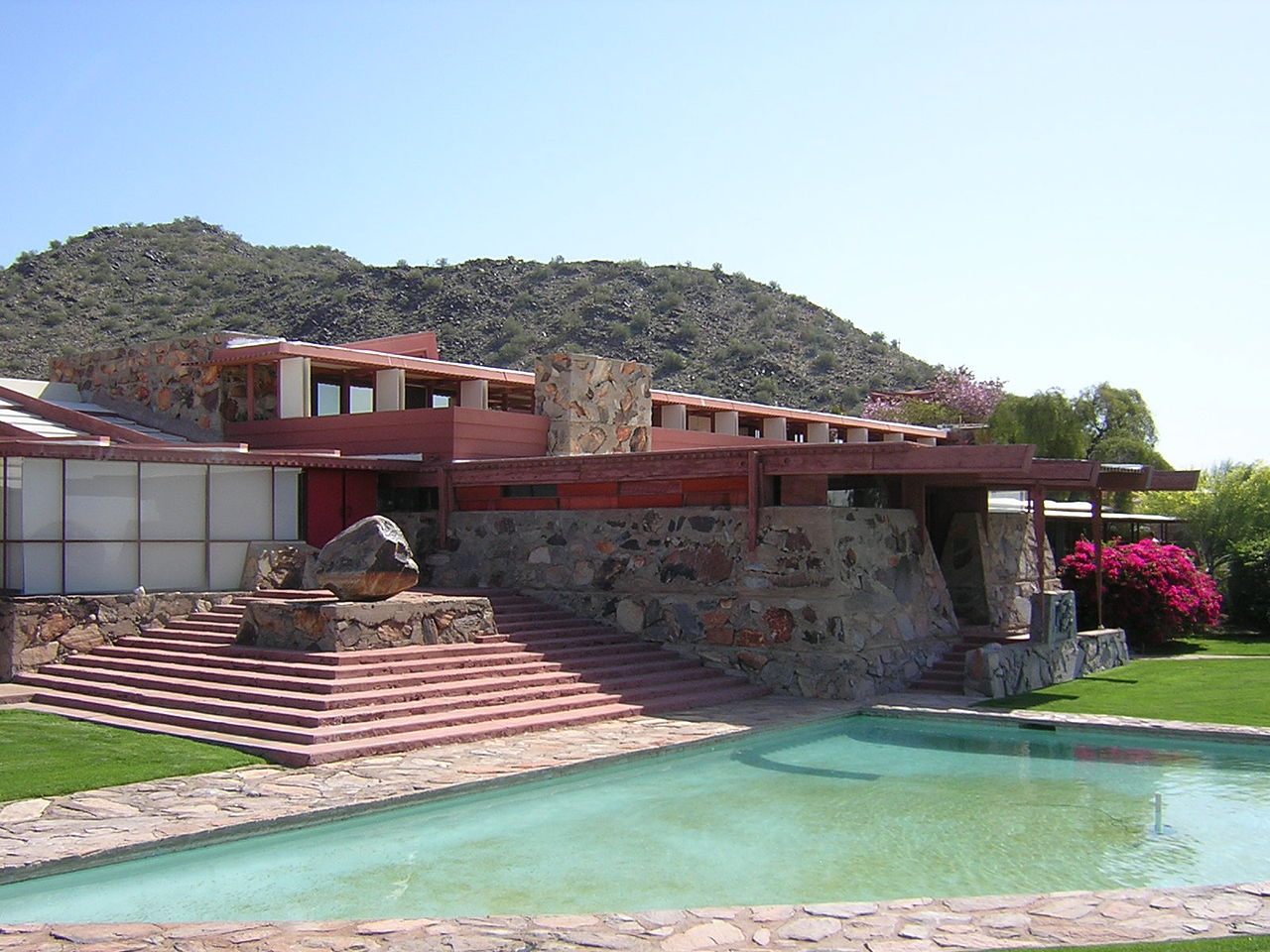
Constructed as the personal winter home and architectural laboratory of legendary architect Frank Lloyd Wright, this UNESCO World Heritage site is deeply integrated into the desert landscape. Built using local desert rocks, sand, and redwood timber, the structural compound beautifully illustrates Wright's philosophy of organic architecture and features historical drafting studios, artistic living spaces, and insightful guided design tours.
Practical Info
Mon9:00 AM – 12:00 PM
TueClosed
WedClosed
Thu9:00 AM – 12:00 PM
Fri9:00 AM – 12:00 PM
Sat8:00 AM – 12:00 PM
Sun8:00 AM – 12:00 PM
Suggested Duration1.5-2.5 hours
Best TimeNovember to April. It's most strongly recommended to book the evening "Night Lights Tour," when the warm-lit architecture and the desert sunset glow on the horizon set each other off, full of infinite Zen
Getting ThereLocated at the foot of the McDowell Mountains in northeastern Scottsdale. It's about a 35-minute drive from downtown Phoenix. Because it's on the mountainous edge of an upscale community, the whole drive is perfect, and the site has ample free parking
Travel Tips
- This is the winter home and architecture school that America's greatest legendary master architect Frank Lloyd Wright built for himself—an extremely precious UNESCO World Heritage Site
- The architecture perfectly embodies Wright's ultimate "Organic Architecture" philosophy, built entirely from local native desert boulders, red sandstone, and wood, making the whole structure seem to grow naturally right out of the Sonoran Desert soil
- This is a high-level heritage site; by law visitors are absolutely forbidden from wandering inside the building complex on their own, and must book a staff-led exclusive Guided Tour in advance on the official site to enter
- No Walk-Ins Past the Gift Shop: As a UNESCO World Heritage site, walking onto the historic grounds or near structures without a tour ticket is strictly prohibited. Non-ticketed visitors are confined to the gift shop; booking an official tour online is mandatory.
- Stroller Ban & Rugged Terrain: To maintain architectural authenticity, the paths feature narrow historic steps, uneven flagstones, and gravel. Standard strollers are completely non-navigable and banned inside; families must utilize front-facing baby carriers.
- Desert Exposure & Video Ban: Over 50% of the 60-minute tour takes place outdoors in direct desert heat, and stepping away from the guide to seek AC is not permitted. Bring water. Additionally, video recording and tripods are strictly prohibited inside all historic rooms.
Reviews
Positive
- The ultimate pilgrimage site in architectural history! Wright's use of space, light, and natural materials is simply masterful. Sitting in the big sofa he designed back then and listening to the guide's stories, the sense of sophistication and artistry is maxed out
- It completely blends into the desert terrain—from any window, the view is a perfect painting of sand dunes and cacti. The guide is extremely professional, knowing Wright's life and every design detail inside out
- As the winter home of legendary architect Frank Lloyd Wright, the structures blend seamlessly into the Sonoran landscape, showing pioneering design.
- The audio and live tours are highly informative, dissecting the concepts of organic architecture and Wright's colorful life—a true treat for design lovers.
- The sunset and Night Lights tours offer stunning scenery, as dusk colors reflect off the geometric structures, creating a poetic, quiet ambiance.
- The desert grounds are kept spotlessly clean, and the gift shop is a haven, offering beautifully designed Wright-inspired home decor and books.
Heads up
- The price is very expensive among all architectural attractions. People completely indifferent to Frank Lloyd Wright, Fallingwater, or modernist spatial design may feel it's just a pile of low stone-and-redwood houses
- Self-guided wandering is strictly banned; you must stick close to the guide or follow the audio path, offering low freedom for exploratory roamers.
- Admission fees are very expensive, and because it's a popular World Heritage site, walking in without booking weeks in advance means getting turned away.
- Since most paths involve walking under direct sun exposure, the peak summer months feel like an oven even early in the day, testing your heat endurance.
- Average tourists or young children with no interest in architecture may find it dry and boring, and touching any historic furniture is forbidden.