
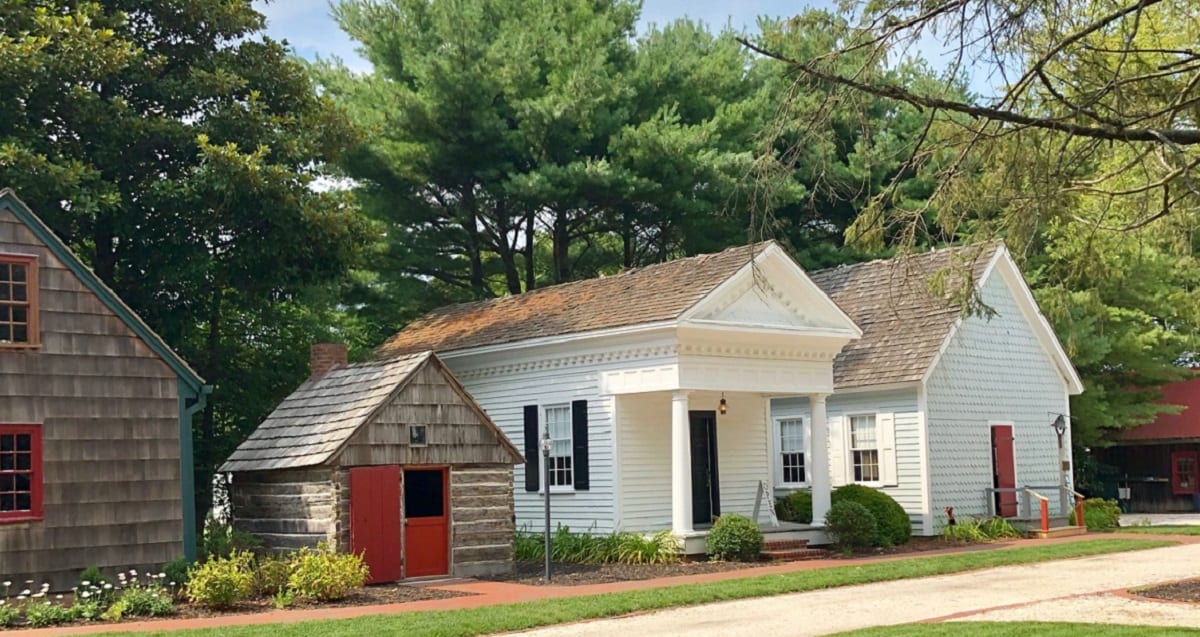
The Lewes Historical Society Main Campus
Overview
The Lewes Historical Society Main Campus, beautifully nestled in the historic core of Lewes at the Shipcarpenter Street Campus, is an open-air museum preserve that brings 'the First Town in the First State' to vibrant life. The meticulously manicured grounds boast a remarkable collection of nine authentic historical structures spanning the 18th to the 20th centuries, including a historic 1836 doctor's office, an 1890s schoolhouse, traditional wooden cottages, and an old tavern. Walking through the campus feels like a step back in time, underscored by informative, living-history guided walking tours led by knowledgeable local educators who share local legends and deep maritime history. Visitors can experience the architectural evolution of early American settlements and understand Lewes' critical relationship with the sea, making it a peaceful yet profoundly educational centerpiece of southern Delaware heritage preservation.
Practical Info
Travel Tips
- The campus grounds comprise authentic 18th and 19th-century historical framework structures set across an open lawn. Inter-building transitions feature un-stabilized loose gravel tracks and turf that soften instantly during rain; stilettos, flip-flops, and micro-tire strollers are barred. Wear high-traction sneakers.
- The historic log and masonry architecture features ultra-fragile framing and steep colonial staircases exceeding a 60-degree pitch. Carrying coffees, open snacks, selfie sticks, or voluminous satchels inside any historic house is zero-tolerance; never push open unmarked doors or handle vintage window latches without a guide.
- When the historic Lewes Farmers Market occupies the campus lawns on Saturday mornings, Shipcarpenter Street is fully barricaded. Drivers must divert to public infrastructure lots at nearby schools or the local library three blocks away; idling or reversing at the security perimeter gates triggers municipal fines.
Reviews
- The campus gathers multiple authentic 18th- and 19th-century buildings, creating a beautiful open-air history museum.
- Live demonstrations of traditional crafts like woodworking and weaving are engaging, letting kids visualize early pioneer life.
- The campus grounds are stunningly peaceful, with lush lawns and historic trees, offering a lovely courtyard walk for anyone.
- The local historians and volunteers are incredibly welcoming, providing solid details filled with pride for local history.
- If purchasing full guided access inside each historic house separately, the total cost for a family can feel less cost-effective.
- Due to structural limits of historic buildings, stairs are steep and narrow, providing no accessibility for wheelchairs or heavy strollers.
- Operating hours during weekdays and winter are very limited, and some interiors close for maintenance; checking ahead is a must.
- Exhibit text labels are mostly small and densely packed, with zero multilingual translations, making it hard for foreign visitors.