
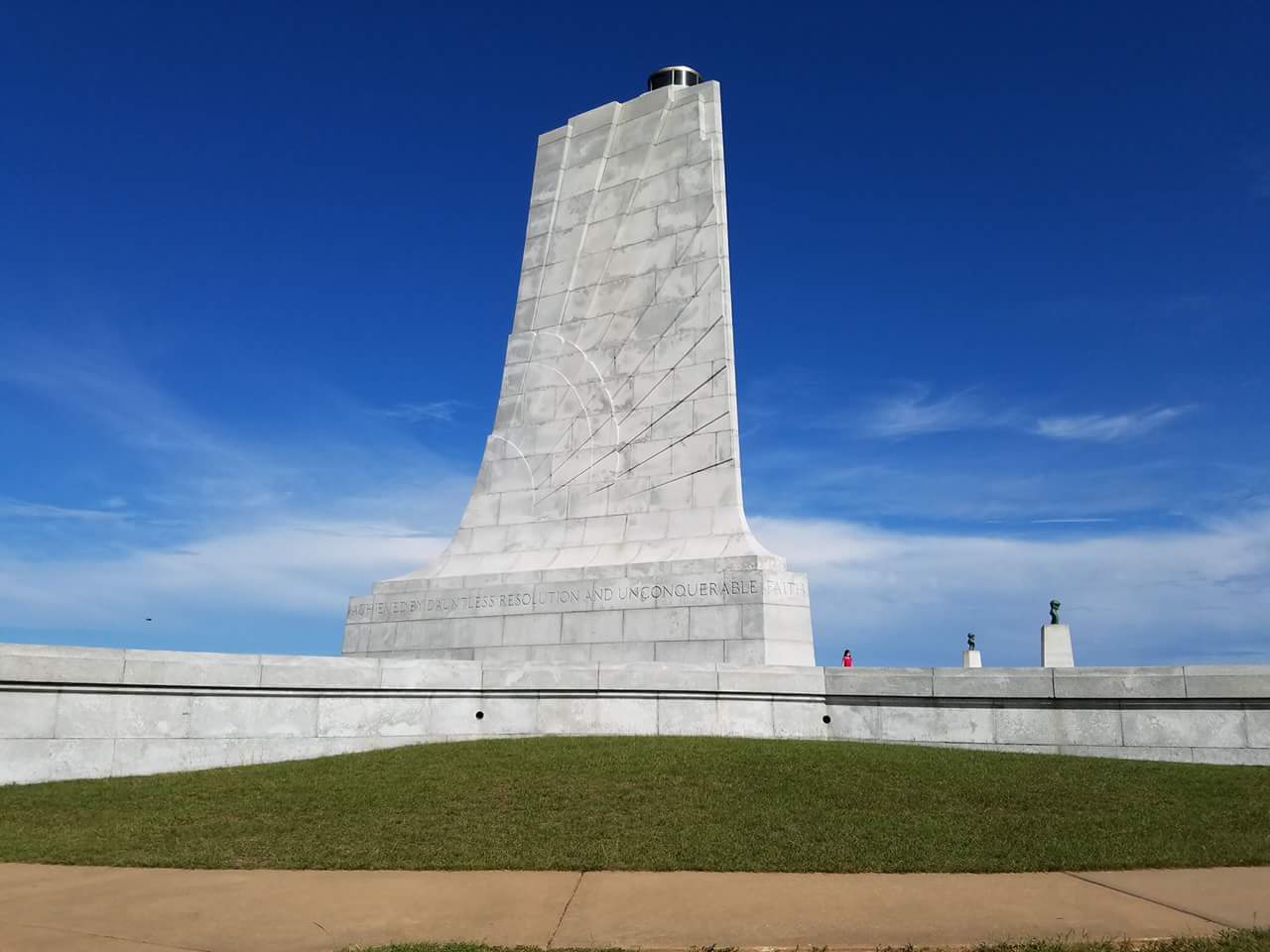
Wright Brothers National Memorial
4.8(10K)google
4.3(298)yelp
MilitaryAviationNational MonumentFamilyOutdoorPhoto SpotCity LandmarkVisitor CenterMust-SeeEducational
Overview
Wright Brothers National Memorial (originally the Kill Devil Hill Monument), located in Kill Devil Hills, North Carolina, commemorates Wright Flyer; the first successful, sustained, powered flights in a heavier-than-air machine. From 1900 to 1903, Wilbur and Orville Wright came to North Carolina from Dayton, Ohio, based on information from the U.S. Weather Bureau about the area's steady winds. They also valued the privacy provided by this location, which in the early twentieth century was remote from major population centers.
Practical Info
Every day9:00 AM – 5:00 PM
Suggested Duration2-3 hours
Best TimeThe historic cradle of aviation is best visited from 3:30 PM to 6:30 PM in spring or autumn. Walk the sweeping open grassy runways before ascending Kill Devil Hill to the granite monument shaft to watch the sunset paint the barrier island sands and Albemarle Sound.
Getting ThereLocated at 1000 Croatan Hwy at Milepost 7.5 in Kill Devil Hills. No local mass transit grid is accessible; driving is essential. Travel directly along US Highway 158 (Croatan Hwy) to the park's secure gated entryway, opening onto massive, fully paved complementary customer loops.
Travel Tips
- Managed by the NPS; charges a per-person fee of 10 dollars rather than per-vehicle. The America the Beautiful Pass covers the holder plus 3 adults; the entry toll booth is 100% cashless (cards only).
- The monument sits on a barren sand hill with zero canopy or awning cover; heavy outer banks winds scream continuously alongside intense UV radiation. Wind-resistant sun hats and sports sunscreen are mandatory.
- Federal regulations strictly enforce a total drone ban (No-Fly Zone) across the entire park monument boundary; flying anywhere, including outer parking lots, results in immediate confiscation and federal charges.
Reviews
Positive
- Standing atop the hill by the iconic 60-foot granite monument, looking down at the vast fields of mankind's first powered flight and the Atlantic coastline offers a deeply shocking visual and historical core value that lives up to its fame.
- The modern visitor center showcases highly precious 1-to-1 scale replicas of the original flyer and vintage engineering manuscripts; clear multilingual graphic commentary provides excellent exploration fun for aviation buffs.
- The National Park Service maintains this heritage site at a top-tier level; lawns are manicured, wide flat asphalt walking paths are built, and restrooms, rest benches, and wheelchair accessible ramps along the way are highly modern and robust.
- The entry fee per vehicle is very reasonable, and the National Parks annual pass grants direct free access; honoring the sanctuary that altered human history at zero or ultra-low cost offers extreme value for money.
Heads up
- The entire memorial park spans a vast and intensely open area; the distance between the iconic first flight lines and the hilltop monument requires long walks, which is physically demanding for weaker seniors without park shuttles.
- Since the Outer Banks climate is windy and sunny year-round, the open-air memorial park has virtually zero tall trees for shade; walking on the unshielded plain on summer afternoons brings direct sun exposure and heatstroke risks.
- Aside from the visitor center, the park interior lacks any dining secondary stalls, convenience stores, or vending machines for drinking water; walking long hours feels somewhat inconvenient without self-prepared supplies.
- On afternoons celebrating the First Flight Anniversary (December 17) or peak summer weekends, crowd density inside and along the flight tracks runs high, with large tour groups turning the solemn and peaceful vibe somewhat noisy.