
Greenwood Rising Black Wall St. History Center
4.9(1.1K)google
Slavery HistoryHistory
Overview
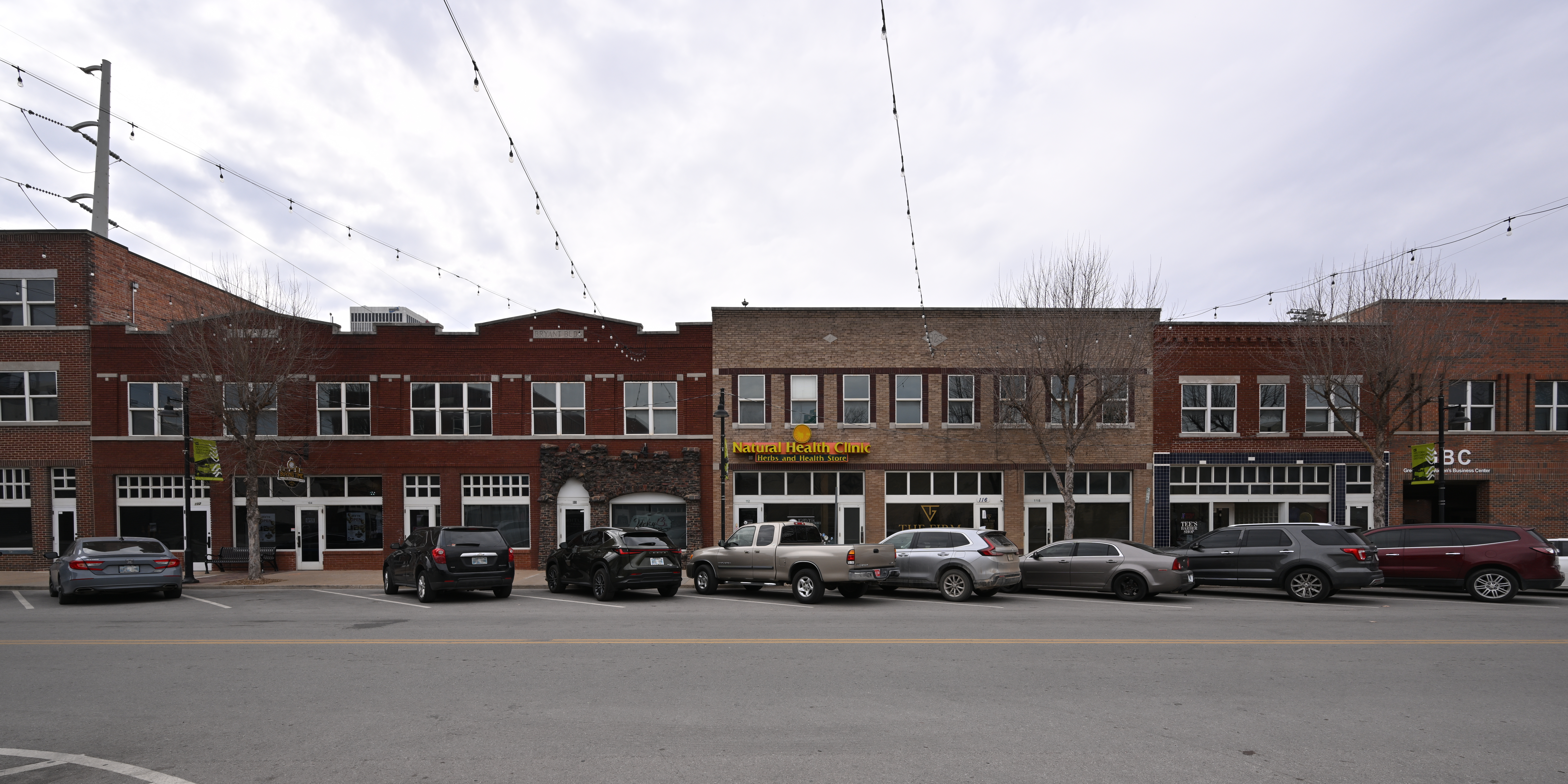
Greenwood is a historic neighborhood and freedom colony in Tulsa, Oklahoma. As one of the most prominent concentrations of African-American businesses in the United States during the early 20th century, it was popularly known as US "Black Wall Street". It was burned to the ground in the Tulsa race massacre of 1921, in which a local White mob gathered and attacked the area.
Practical Info
Suggested Duration2-3 hours
Best TimeA profoundly moving, state-of-the-art multimedia indoor history center. Planning your visit for weekday mornings at 10:00 AM is highly recommended for a contemplative experience, letting you absorb the deeply educational exhibits mapping the prosperity, destruction, and resilience of Black Wall Street.
Getting ThereNestled right at the historic crossroads of Greenwood and Archer at 23 N Greenwood Ave. Metered parallel curb stalls frame the avenue. Transit accessibility is flawless: the primary downtown Denver Avenue Bus Station sits less than a 10-minute walk away, while local shuttles stop at the block.
Travel Tips
- The center enforces a strict timed-entry ticketing mandate. Weekend tickets sell out online; secure your precise entry window at least two weeks via the official portal.
- The final gallery features an emotional decompression sanctuary. The graphic 1921 Tulsa Race Massacre exhibits are high-impact; entry for children under 10 is discouraged.
- The Greenwood Avenue corridor forbids illegal shoulder stopping for drop-offs. Route your vehicle to the nearby covered paid parking deck on Archer Street.
Reviews
Positive
- Through cutting-edge holographic projections and immersive corridors, it powerfully recreates the historic Black Wall Street and the 1921 massacre.
- The building architecture is exceptionally modern; accessible ramps and elevators offer flawless coverage with spotless restrooms and reflective signage.
- It enforces a strict online timed-entry reservation system; the galleries are perfectly orderly without tourist noise, preserving a solemn, reflective quiet.
- It packs unparalleled historical core value while utilizing a donation-based or low-fee ticket model, standing as a stellar model of cost-effectiveness.
Heads up
- Because the historical documents, photos, and survivor audios are intensely heavy and emotionally striking, they can cause distress for young kids.
- The daily quota for online ticket bookings is highly restricted; during peak season or holidays, walk-in independent tourists stand zero chance.
- Free public parking options around the downtown venue are virtually non-existent, forcing drivers into expensive commercial parking garages.
- To cultivate a somber historical atmosphere, certain transition corridors are kept extremely dim, requiring elderly visitors with weak eyesight to tread carefully.