
About this city
Also known as: Oil Capital of the World, T-Town
Commanding a spectacular position atop the rolling hills of northeastern Oklahoma along the sweeping Arkansas River, Tulsa is the state's second-largest city and the county seat of Tulsa County. Incorporated in 1898, the city's historical trajectory was permanently defined in 1901 following the historic discovery of the colossal Glenn Pool oil reserve nearby, which sparked an extraordinary influx of wealth and led Tulsa to be crowned the 'Oil Capital of the World' for much of the 20th century. This affluent golden era endowed Tulsa with an unmatched collection of majestic Art Deco skyscraper architecture, which dominates its elegant downtown to this day. Contemporary Tulsa has transitioned into a highly sophisticated cultural and technological powerhouse, balancing its rich energy roots with a world-class arts scene, advanced aerospace component engineering, and a fierce pride in its community reconciliation.
Location & Administrative
Transportation & Accessibility
Weather & Timing
Economics & Local Vibe
Practical Tourism Metadata
Suggested stay: 2–3 days
Admire the world-renowned American western paintings and Italian Renaissance masterworks inside the grand villa galleries of the Philbrook Museum of Art. Stroll or run along the massive, architecturally spectacular 66-acre public parkland of Gathering Place. Take an architectural walking tour downtown to photograph historic 1920s Art Deco skyscraper details.
Museums & Culture
14Museums13

Bob Dylan Center
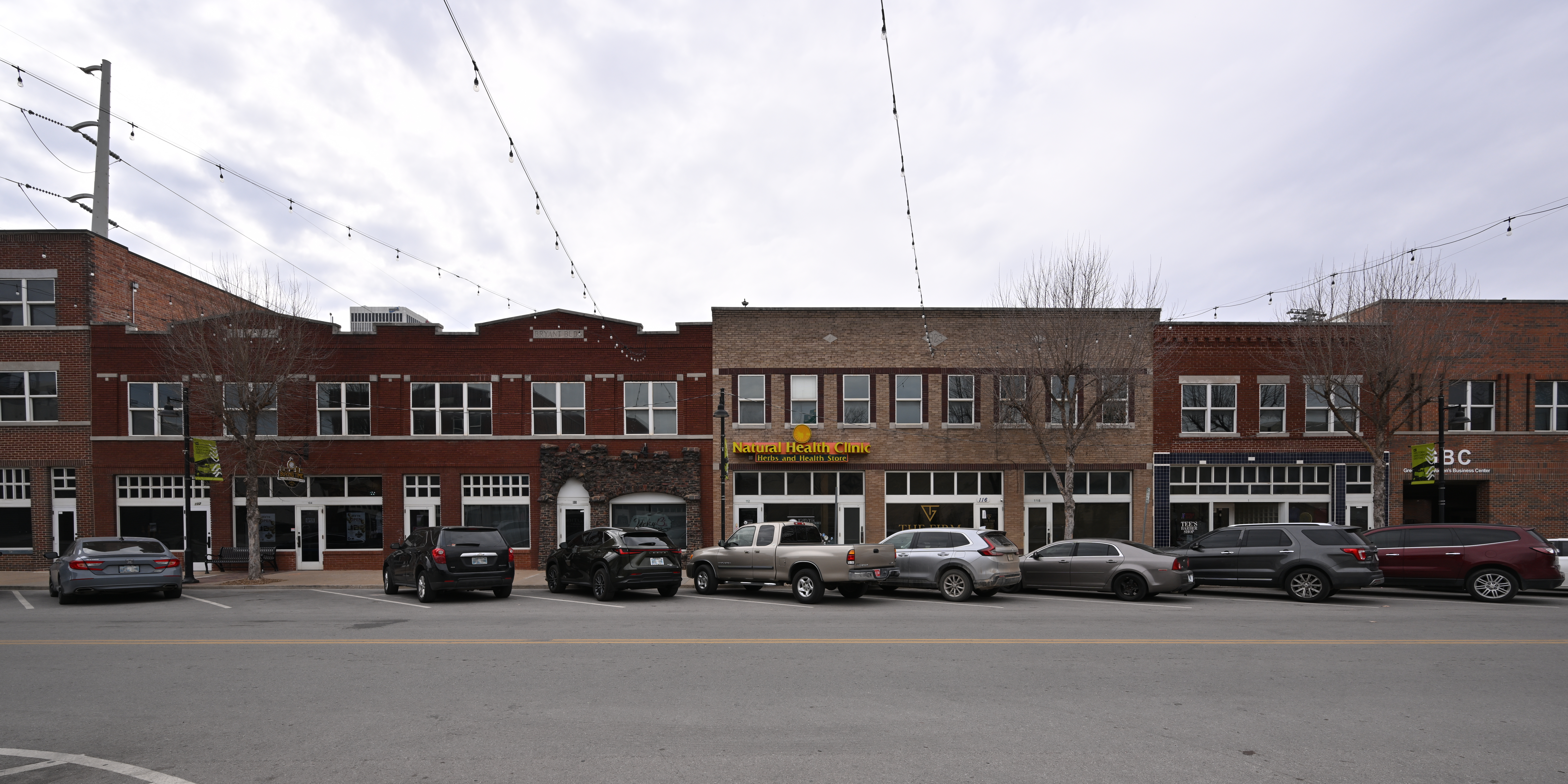
Greenwood Rising Black Wall St. History Center

The Church Studio

J.M. Davis Arms & Historical Museum

Woody Guthrie Center
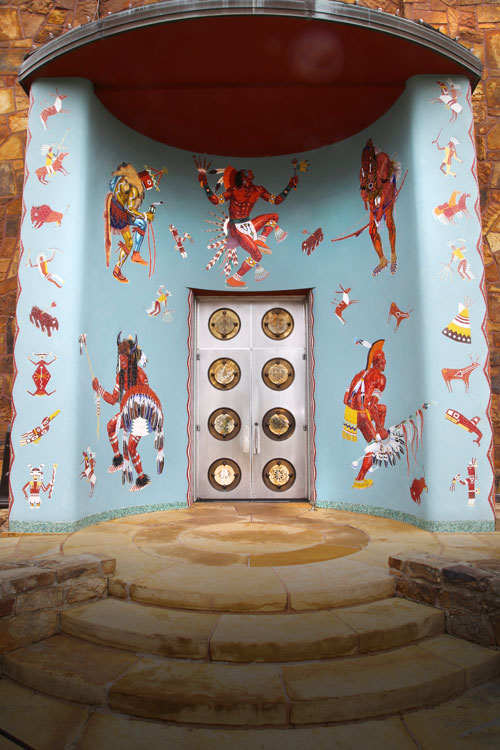
Woolaroc Museum & Wildlife Preserve

Gilcrease Museum

Leonardo's Children's Museum & Adventure Quest

Museum of Tulsa History

The Outsiders House Museum

Discovery Lab
Route 66 Historical Village