
Joseph H. Williams Tallgrass Prairie Preserve
4.8(739)google
BisonNatureOutdoor
Overview
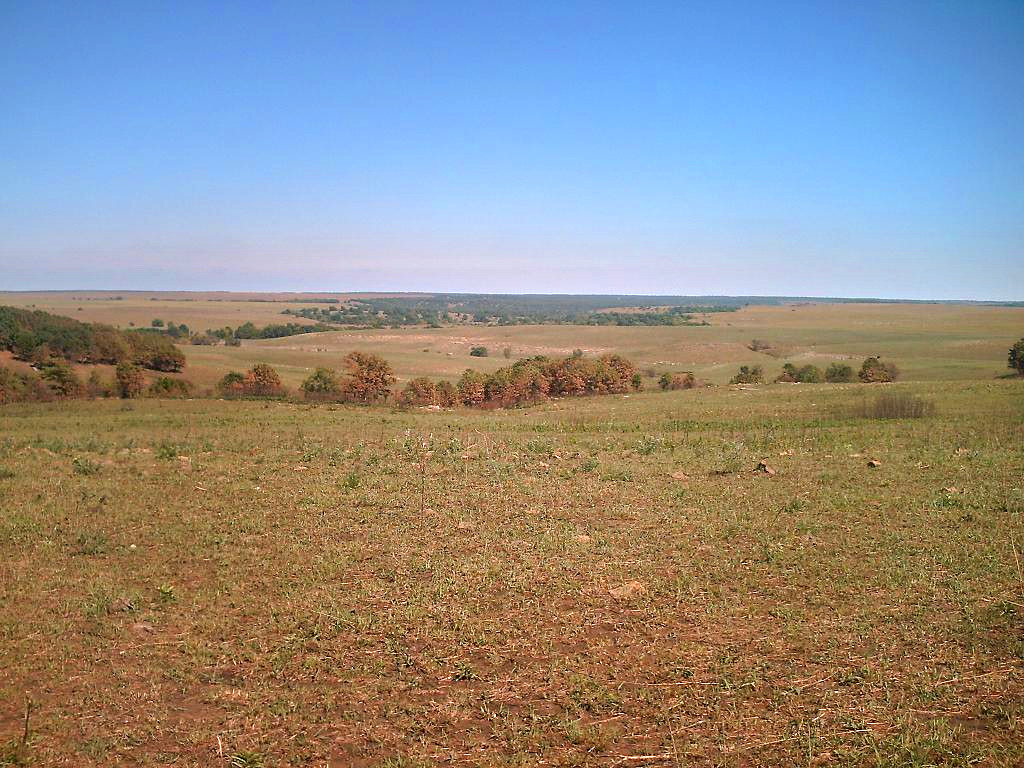
The Joseph H. Williams Tallgrass Prairie Preserve, in Osage County, Oklahoma near Pawhuska, Oklahoma, is the largest protected tract of tallgrass prairie in the world. Managed by The Nature Conservancy, the preserve contains 39,650 acres (160 km2) owned by the Conservancy and another 6,000 acres (24 km2) leased in what was the original tallgrass region of the Great Plains that stretched from Texas to Manitoba.
Practical Info
Suggested Duration3-6 hours
Best TimeAn early morning expedition between 6:00 AM and 8:30 AM in May or mid-October is unparalleled across this world's largest protected pristine tallgrass prairie. Heavy morning mist hovers over the 40,000 acres of endless rolling plains as a massive herd of 2,500 wild free-roaming bison graze near the scenic drive loop.
Getting TherePerched deep inside the Osage Nation territory 15 miles north of Pawhuska at 15315 CR 4201. Driving a high-clearance SUV is highly advised due to unpaved gravel country corridors: travel northwest from Tulsa to Pawhuska on US-60, then turn north onto County Road 4201 straight to the nature hub.
Travel Tips
- The preserve spans 40,000 acres with a 15-mile Bison Loop. Leaving your vehicle along this drive is strictly prohibited; wild bison are volatile and require a 25-yard buffer.
- The rural access roads from Pawhuska are unpaved gravel with severe ruts and sharp rocks. Low-clearance sedans risk puncture or damage; high-clearance 4WD vehicles are recommended.
- The entire preserve is a cellular blindspot. The visitor center opens conditionally from 10:00-16:00 with no fuel or food vendors; fill your gas tank and download offline GPS maps in Pawhuska.
Reviews
Positive
- As the world's largest protected tallgrass prairie, the boundless wild golden grass wave offers unmatched scenery with drive-by views of wild bison herds.
- The dozens-of-miles driving loop preserves pure, uncommercialized ecological value, radiating an endless sense of pristine natural serenity.
- The eco visitor center is beautifully kept with welcoming volunteers handing out detailed safety brochures alongside clean public restrooms.
- It is open to the public for free with zero admission or vehicle pass fees, offering massive parking as a perfect value paradise for wildlife photographers.
Heads up
- The long driving loop consists entirely of raw, rough gravel dirt roads; it creates blinding dust storms, gets muddy after rain, and tests low-clearance cars.
- To strictly preserve the wilderness, miles of trails provide zero restrooms, shade shelters, or trash bins, requiring visitors to pack out all garbage.
- Due to the vast, isolated terrain, cellular signal is completely non-existent, and there is no CCTV, making emergency calls difficult during car breakdowns.
- During hot, dry summers or migration shifts, the bison frequently retreat into deep valley hollows, leaving unlucky visitors with an empty landscape.