
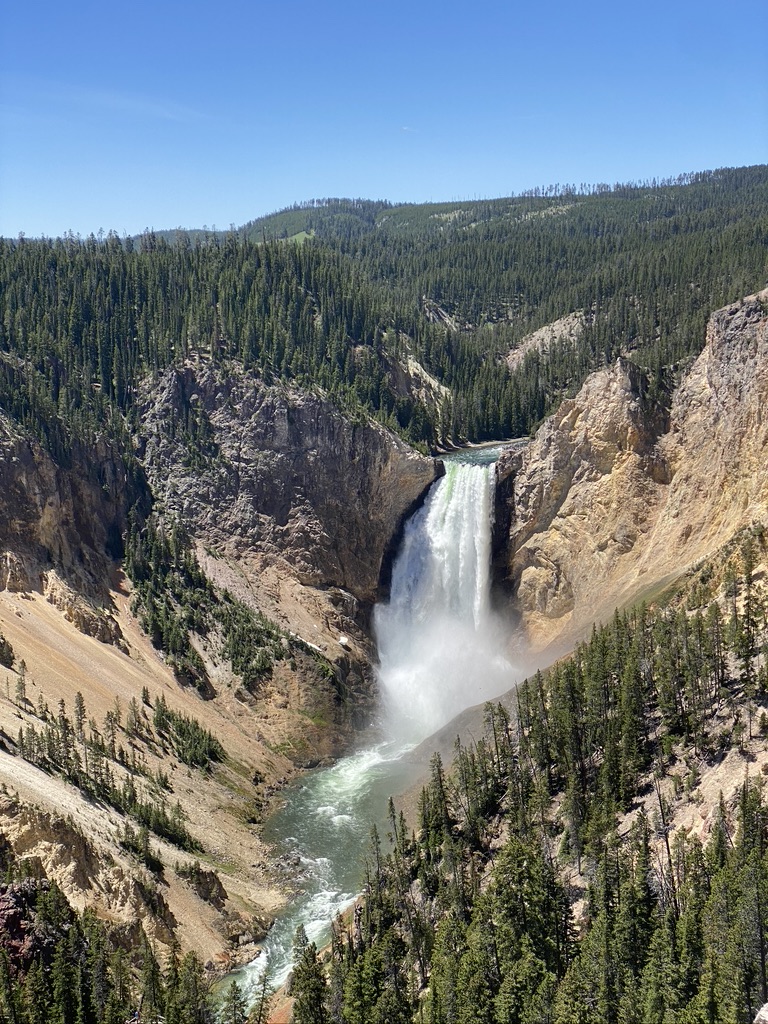
Yellowstone National Park
4.8(45K)google
Hot SpringMust-SeeWildlife WatchingWorld Heritage
Overview
Yellowstone National Park is a national park of the United States located in the northwest corner of the state of Wyoming, with small portions of it extending into Montana and Idaho. It was established by the 42nd U.S. Congress through the Yellowstone National Park Protection Act and signed into law by President Ulysses S. Grant on March 1, 1872. Yellowstone was the first national park in the US, and is also widely understood to be the first national park in the world. Renowned for its geothermal features and abundant wildlife, it was designated a UNESCO World Heritage Site in 1978.
Practical Info
Every dayOpen 24 hours
Suggested Duration3-5 days
Best TimeJuly and August offer complete access and peak wildlife activity (though very crowded). September to early October is an exceptional window for autumn foliage, active elk, and fewer crowds. Early mornings are best for wildlife valleys.
Getting ThereYellowstone features five entrances. Driving north from Jackson, WY via US-191/89 takes you straight through Grand Teton National Park and directly into Yellowstone's South Entrance. Road tripping or guided tours are required.
Travel Tips
- Yellowstone is massive and laid out in a 'Grand Loop.' During peak summer, main geyser basins (Old Faithful, Grand Prismatic) run entirely out of parking between 10:00 AM and 4:00 PM. Follow the iron rule: enter before 8:00 AM or after 5:00 PM.
- You must remain strictly on the wooden boardwalks in all thermal areas. The surrounding ground is a fragile crust overlying boiling, highly acidic water up to 200°F (93°C); stepping off boardwalks is highly illegal and frequently fatal.
- Except for the North and Northeast Entrances, all park interior roads close to wheels from early November to late May, accommodating only guided snowcoaches or snowmobiles. Verify the detailed seasonal road opening schedule online before planning.
Reviews
Positive
- An undisputed sanctuary of natural wonders; from erupting geysers to brilliantly colorful hot springs, its geothermal diversity is unmatched worldwide.
- A premier wildlife viewing paradise; herds of American bison and elk are frequently spotted along the roads, and you can even glimpse grizzlies from afar.
- The main areas inside feature highly developed boardwalk systems, allowing families of all ages to safely view fragile thermal formations up close.
- Each core area hosts a large comprehensive visitor center, offering high-quality science exhibits along with great restrooms, drinking water, and info desks.
Heads up
- The tourist density is terrifying during the summer peak; lots near popular spots get completely maxed out after 9 AM, causing multi-mile gridlocks.
- In-park food and lodging are heavily marked up and highly overpriced, yet the culinary quality remains very mediocre, lowering the overall value.
- Because the park is vast and speed limits are strict, driving times between sites are too long; spending most of the day in a car causes quick fatigue.
- The air is constantly thick with a pungent sulfur (rotten egg) smell, which can cause real discomfort for visitors with sensitive airways or asthma.